
Mopping is one of those chores that feels timeless. Generations have relied on the trusty mop and bucket, yet modern households now have the option of steam mops — sleek devices that promise faster, chemical‑free cleaning. The question is: which is truly worth it for UK homes today?
This guide goes beyond surface‑level pros and cons. We’ll explore how each tool works, their strengths and weaknesses, long‑term costs, maintenance, and suitability for different floor types. You’ll also find Amazon UK product picks under £100, plus a utility grid to help you match the right mop to your lifestyle.
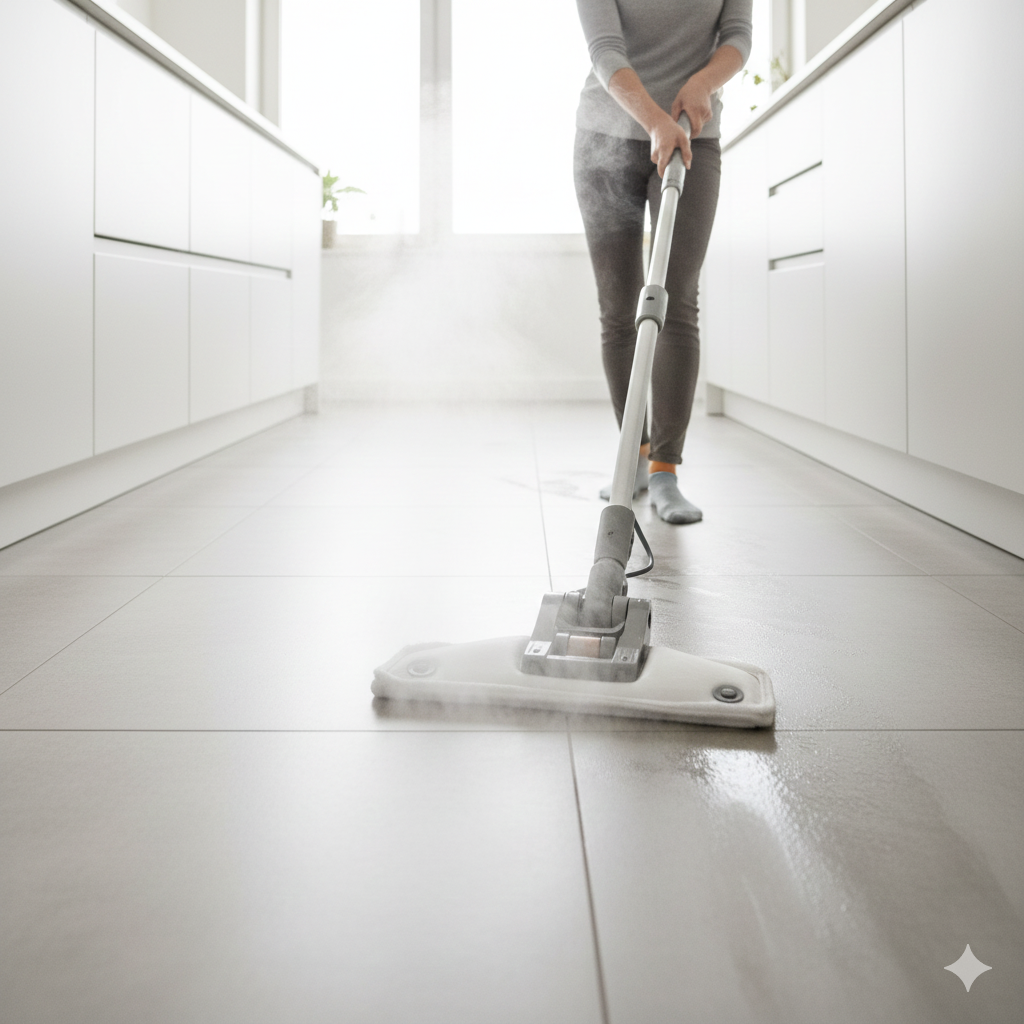
🧼 How They Work
- Steam Mop: Heats water to produce steam, which loosens dirt and kills bacteria. Pads absorb grime as you glide across sealed hard floors. No detergents required — just tap water.
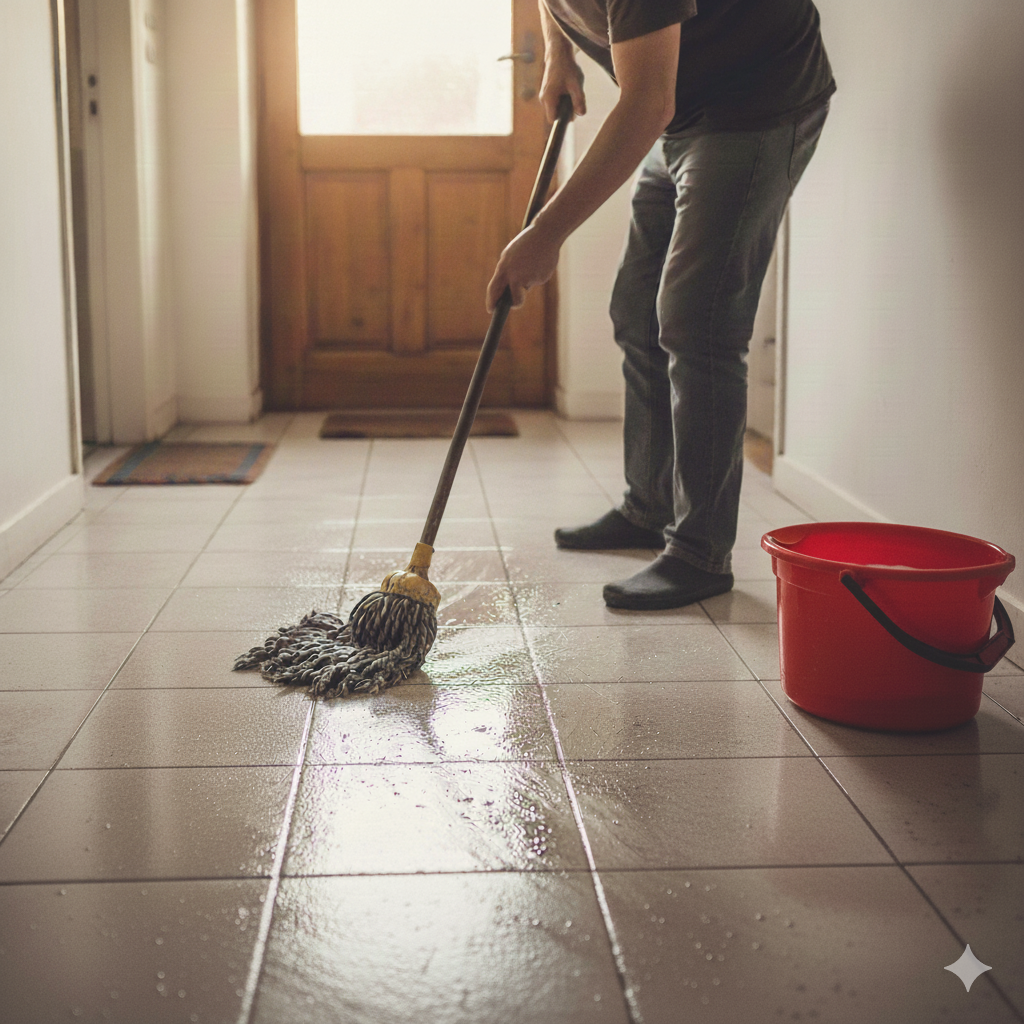
- Traditional Mop: Uses absorbent strands or microfiber pads dipped in water and detergent. You wring out the mop head and scrub manually. It’s simple, cheap, and works on almost any floor type.
⚡ Pros & Cons
Steam Mop
Pros:
- Kills up to 99.9% of bacteria without chemicals
- Fast heat‑up (15–30 seconds)
- Lightweight, ergonomic designs
- Leaves floors drier than traditional mops
- Pads are washable and reusable
Cons:
- Higher upfront cost
- Requires electricity and regular descaling
- Not suitable for unsealed wood floors
- Smaller water tanks mean refills on big jobs
Traditional Mop
Pros:
- Very affordable upfront
- Works on almost any floor type
- No electricity needed
- Easy to replace heads
- Scrubbing power for stubborn messes
Cons:
- More physical effort
- Requires detergents and chemicals
- Buckets can be heavy and messy
- Floors take longer to dry
- Less effective at sanitising
🛒 Recommended Products (Amazon UK)
Steam Mops
- Vileda Steam Mop – Lightweight, heats in 15 seconds, chemical‑free cleaning.
- Shark Klik n’ Flip Steam Mop – Dual‑sided pads, powerful steam blast for stubborn stains.
- Russell Hobbs RHSM1001 Steam Mop – Affordable UK brand option, compact and easy to store.
Traditional Mops
- Vileda SuperMocio XL Mop & Bucket Set – Classic cotton strands, durable bucket with wringer.
- Flash Speedmop Starter Kit – Flat mop with disposable pads, quick for small messes.
- Mr Siga Professional Microfiber Mop – Durable stainless steel handle, reusable microfiber pads, and scrubber attachment for tougher stains.
🧩 Utility Grid: Problem vs Solution
| Problem | Best Choice | Why |
|---|---|---|
| Sanitising without chemicals | Steam Mop | Heat kills bacteria naturally |
| Tight budget | Traditional Mop | Cheaper upfront, easy to replace |
| Quick daily cleans | Steam Mop | Fast heat‑up, no bucket hassle |
| Heavy messes | Traditional Mop | Scrubbing power with detergent |
| Small storage space | Steam Mop | Slim, compact design |
| Large households | Traditional Mop | Bigger mop heads, larger coverage |
| Allergy concerns | Steam Mop | Removes allergens without chemicals |
💷 Time & Money Analysis
Time Saved with Steam Mops
- No bucket hassle: Fill tank, heat, mop.
- Faster drying: Steam leaves less water behind, so floors are walkable sooner.
- Micro‑sessions: Perfect for quick kitchen or bathroom refreshes.
Money Saved with Traditional Mops
- Lower upfront cost: A mop and bucket set can be under £20.
- No electricity or descaling: Fewer hidden costs.
- Cheap replacements: Mop heads and buckets are widely available.
The Trade‑off
Steam mops save time and sanitise better, but cost more. Traditional mops save money and handle heavy scrubbing, but take longer and rely on chemicals.
🛠️ Maintenance
- Steam Mop:
- Descale regularly in hard‑water areas.
- Wash pads after each use.
- Empty tank after cleaning to avoid limescale.
- Traditional Mop:
- Replace mop heads when worn.
- Clean buckets to prevent bacteria build‑up.
- Rinse mop thoroughly after use to avoid odours.
🏠 Floor Types
- Tiles & Vinyl: Steam mops excel, leaving streak‑free finishes.
- Sealed Wood: Steam mops can be used cautiously; traditional mops safer.
- Unsealed Wood: Avoid steam — traditional mop only.
- Carpets: Steam mops with gliders can refresh fibres; traditional mops not suitable.
👤 Author Insight
In my own home, I’ve found steam mops brilliant for the kitchen and bathroom — quick, hygienic, and no chemicals needed. But when it comes to muddy footprints in the hallway or scrubbing stubborn stains, the traditional mop and bucket still earn their place. Owning both gives me flexibility: steam for sanitising, mop for heavy messes.
For official UK guidance on household cleaning and energy efficiency, see GOV.UK’s advice on saving energy at home.” 👉 https://www.gov.uk/get-help-energy-bills
❓ FAQ
Q: Do steam mops replace traditional mops? Not entirely — steam mops sanitise, but traditional mops handle heavy scrubbing better.
Q: Are steam mops safe for all floors? No — avoid unsealed wood or delicate surfaces.
Q: Which is cheaper long‑term? Traditional mops, though steam mops save on cleaning chemicals.
Q: Do steam mops kill germs? Yes, up to 99.9% bacteria with just water.
Q: Which dries floors faster? Steam mops — less water left behind.
🏡 More Everyday Cleaning Wins
If you’re weighing up steam vs traditional mops, you’ll love our other guides to everyday household savings. For bathroom upkeep, check out 5 Shower Heads Under £25 That Reduce Limescale Build‑Up a simple swap that cuts cleaning time and water bills. And for floor care beyond mopping, don’t miss Cordless vs Upright Vacuums: Which Saves More Time & Money? to see how different vacuums fit UK lifestyles.
✅ Conclusion
So, which is worth it?
- Choose Steam Mop if you want speed, sanitisation, and chemical‑free cleaning.
- Choose Traditional Mop if you want affordability, simplicity, and flexibility.
- Best of Both Worlds: Steam mop for hygiene, traditional mop for scrubbing — together they cover all bases.
For UK households, the choice often comes down to lifestyle. Busy families and small flats benefit from steam mops. Larger homes or budget‑conscious households may prefer traditional mops. The smartest option? Own both, and use each where it shines.
🛒 Product Recap: Steam vs Traditional Mops
Steam Mops:
- Vileda Steam Mop – Lightweight, heats in 15 seconds, chemical‑free cleaning.
- Shark Klik n’ Flip Steam Mop – Dual‑sided pads, powerful steam blast for stubborn stains.
- Russell Hobbs RHSM1001 Steam Mop – Affordable UK brand option, compact and easy to store.
Traditional Mops:
- Vileda SuperMocio XL Mop & Bucket Set – Classic cotton strands, durable bucket with wringer.
- Flash Speedmop Starter Kit – Flat mop with disposable pads, quick for small messes.
- Mr Siga Professional Microfiber Mop – Sturdy stainless steel handle, reusable microfiber pads for streak‑free cleaning, plus scrubber for tough stains.
Want more practical advice on affordable cleaning gadgets, smarter routines and ways to cut waste around the home? Visit the full Home Cleaning Hub to explore every current and upcoming guide in this series.

About The Author – Andrew Marshall
Andrew Marshall is a Scottish homeowner and the creator of Save Wise Living. He shares practical ways to reduce energy bills, improve home efficiency, and make everyday household routines cheaper and simpler.