
Last Updated: 11th March 2026
The heating bill versus comfort argument is one most UK households have every autumn. You don’t want to run the central heating all evening for the sake of one person sitting on the sofa — but you also don’t want to be searching for ways to keep warm without touching the thermostat.
Heated blankets and electric throws are the practical middle ground. Both cost pennies per hour to run, both do a genuinely good job of keeping you warm, and both have been sitting in our house for a couple of winters now. The difference is where and how you use them — and once you understand that, the choice becomes straightforward.
This guide is part of our Smart Heating & Home Warmth hub, where we cover practical UK ways to keep your home warmer, reduce heat loss, and cut heating bills without expensive upgrades.
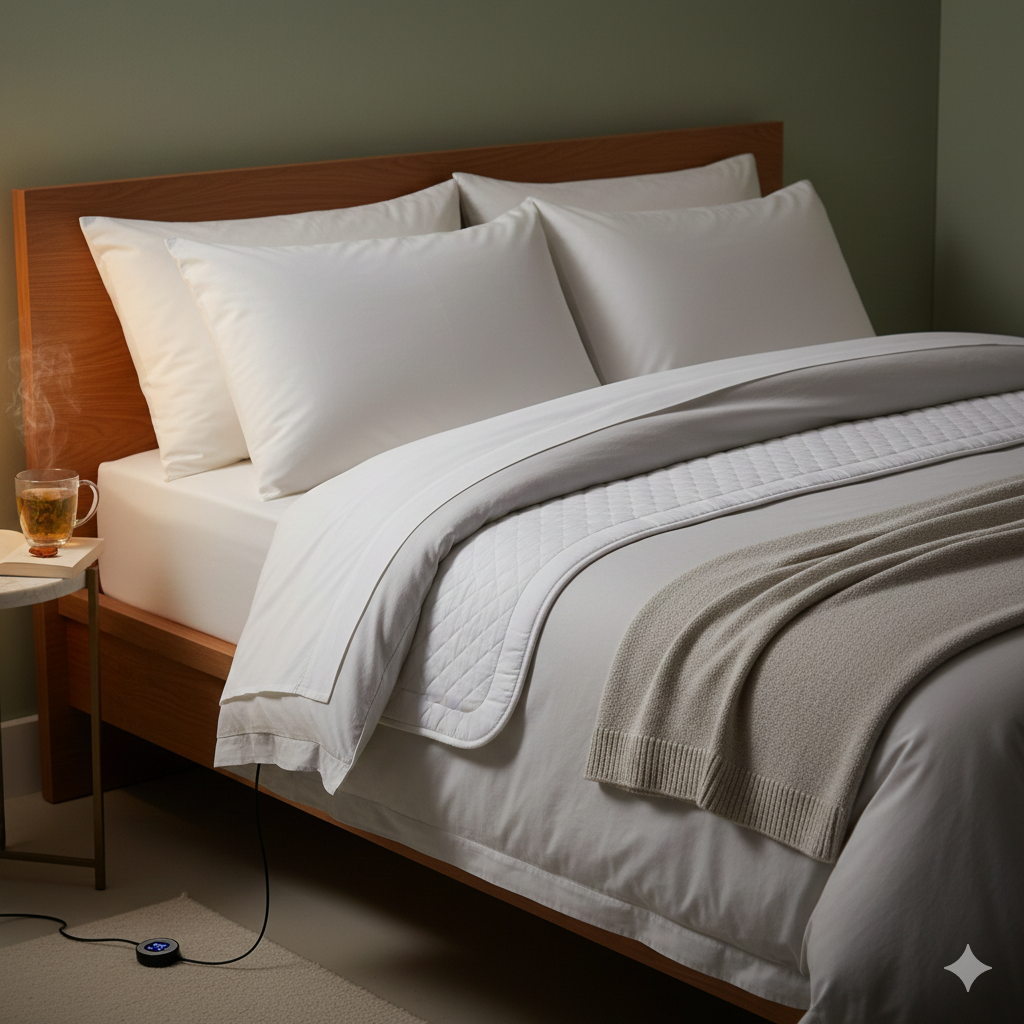
Heated Blankets vs Electric Throws: What’s the Difference?
| Feature | Heated Blanket (Underblanket) | Electric Throw (Overblanket) |
|---|---|---|
| Where it’s used | On the bed, under your sheet or mattress protector | On top of you — sofa, bed, armchair |
| Primary purpose | Pre-warming and maintaining bed warmth | Direct body warmth while lounging or relaxing |
| Energy usage | ~1–3p per hour (lower wattage, focused use) | ~3–6p per hour (higher wattage, more surface area) |
| Heat-up time | 10–20 minutes | 5–10 minutes |
| Portability | Fixed to bed, not portable | Highly portable — great for sofa, office, or travel |
| Best for | Overnight warmth, cold sleepers, reducing bedroom heating | Daytime use, working from home, quick warmth without heating whole room |
Product Picks: Best Heated Blankets & Electric Throws
Electric Blanket Heated Underblanket – Single Size, 3 Heat Settings
Energy-efficient underblanket for cosy nights without central heating.
- 3 heat settings with fast heat-up
- Soft flannel fabric for comfort
- Overheat protection and fitted straps
Best for: single beds, cold sleepers, anyone who wants to pre-warm the bed and turn the radiator down overnight.
Snug Snuggle Up Electric Blanket – Double Size, 3 Heat Settings
Simple, affordable heated underblanket for cold sleepers.
- Elasticated corner straps for easy fit
- Overheat protection for safe overnight use
- 3 heat settings
Best for: couples or double beds where both sleepers run cold. The double size gives full coverage without hot spots.
LIVIVO Electric Heated Throw – 160x130cm, 9 Heat Settings, Timer
Soft fleece throw with full-body coverage and smart controls.
- 9 heat settings and auto shut-off
- Timer function for safe use
- Machine washable with detachable controller
Best for: working from home, sofa evenings, or anyone who wants adjustable warmth during the day without heating the whole room. The timer function is genuinely useful.
Electric Heated Throw Blanket – Large Sofa Size, Adjustable Heat
Plush heated throw for sofa lounging or bed layering.
- Soft flannel fabric with multiple heat settings
- Ideal for daytime warmth
Best for: larger sofas, sharing between two people, or anyone who wants full-body coverage while lounging.
Energy Use: Which One Saves More?
According to recent testing and consumer reports:
- Heated blankets are the clear winner for overnight savings. Using just 40–60 watts, they cost around 1–3p per hour — perfect for keeping warm all night without touching the radiator. Electric throws, on the other hand, draw more power (100–150 watts) but heat up in minutes, making them ideal for short bursts of daytime comfort. The choice comes down to lifestyle: if you want steady, low-cost warmth while you sleep, go for a blanket. If you’re working from home or lounging on the sofa, a throw gives instant heat without firing up the boiler.
If you’re trying to cut heating bills, a heated blanket is the better long-term saver, especially if you turn down your bedroom radiator. But if you’re home during the day and want to avoid heating the whole house, a heated throw is a smart sofa companion.
Adding a heated blanket to the bedroom was the first change we made — turned the bedroom radiator down two notches and genuinely didn’t notice the difference in comfort. The saving on the heating bill was noticeable within the first month.
Personal warmth is just one part of a larger heat-saving approach — see our how to heat your home room by room guide for the full strategy.
How Much Can You Actually Save?
The numbers are worth spelling out because they’re more compelling than most people expect.
A typical UK bedroom heated by a central heating radiator costs roughly 30–50p per hour to run depending on your boiler efficiency and radiator size. If you want the full room-by-room breakdown of heating costs, our guide to the cheapest way to heat your home covers every option in detail. Running the heating all night — say eight hours — costs somewhere between £2.40 and £4.00.
A heated underblanket running at 60 watts costs around 1.7p per hour at current UK rates of 28p per kWh. Run it all night and you’ve spent roughly 13p.
The difference isn’t a small saving. It’s a fundamentally different cost entirely.
In practice most people don’t run the bedroom radiator all night — but even turning it down two notches and running the blanket instead makes a noticeable difference over a full winter. We saw the impact within the first month of switching and it’s stayed consistent every winter since.
Electric throws are less dramatic on the overnight saving but still significant versus heating a whole room. A living room heated to a comfortable temperature typically requires 1.5–2.5 kW of output — costing 42–70p per hour. A heated throw at 100–150 watts costs 3–4p per hour. If you’re sitting on the sofa for three hours in the evening, the difference between heating the room and using a throw is roughly £1.20–£2.00 per evening.
Over a five-month UK winter, that adds up quickly.
Who Should Choose What?
| Household Type | Best Option |
|---|---|
| Cold sleepers | Snug Snuggle Up Electric Blanket |
| Remote workers | LIVIVO Heated Throw |
| Elderly or mobility-limited | Heated blanket with auto shut-off for safe overnight use |
| Renters or students | Portable heated throw — no installation needed |
| Budget-conscious households | Heated blanket for lowest running cost |
Reader Questions Answered
Are heated blankets and throws safe to use overnight? Yes — modern models include overheat protection and auto shut-off. Always follow the manufacturer’s instructions and avoid folding them while in use.
Can you wash them? Most are machine washable once the controller is detached. Check the label for care instructions.
Do they work with smart plugs? Some do — but only if they return to the “on” setting after power is restored. Always test first before relying on automation.
Can I use both together? Yes — many people use a heated blanket at night and a throw during the day. Just be mindful of total energy use.
Tips for Getting the Most Out of Your Heated Blanket or Throw
- Pre-warm, don’t overheat: Switch your blanket on 20 minutes before bed, then drop to a lower setting once you’re cosy.
- Layer smartly: Combine with a duvet or fleece to trap heat, so you don’t need the highest setting.
- Automate comfort: Use a timer or smart plug-in thermostat to shut off automatically — safer and cheaper.
- Store with care: Roll or lay flat when not in use to protect the heating wires.
- Know your mattress: Avoid using with memory foam unless the manufacturer confirms it’s safe.
Safety & Longevity: Making Your Blanket Last
Safety is a big concern for UK households, especially with overnight use. Modern heated blankets and throws include overheat protection and auto shut-off, but a few habits make them even safer:
- Always check the wattage matches your plug socket capacity.
- Don’t use extension leads with high-powered throws.
- Wash only as instructed — most are machine washable once the controller is detached.
- Replace after 8–10 years or if you notice wear in the fabric or wiring.
Tip: Treat your heated blanket like any other appliance — regular checks and proper storage mean it’ll last longer and stay safe.
Which One Would We Actually Buy?
For overnight warmth and the lowest running cost — the heated underblanket is the better choice. Pre-warm the bed, drop to a lower setting, and turn the bedroom radiator down. The running cost difference versus central heating is significant.
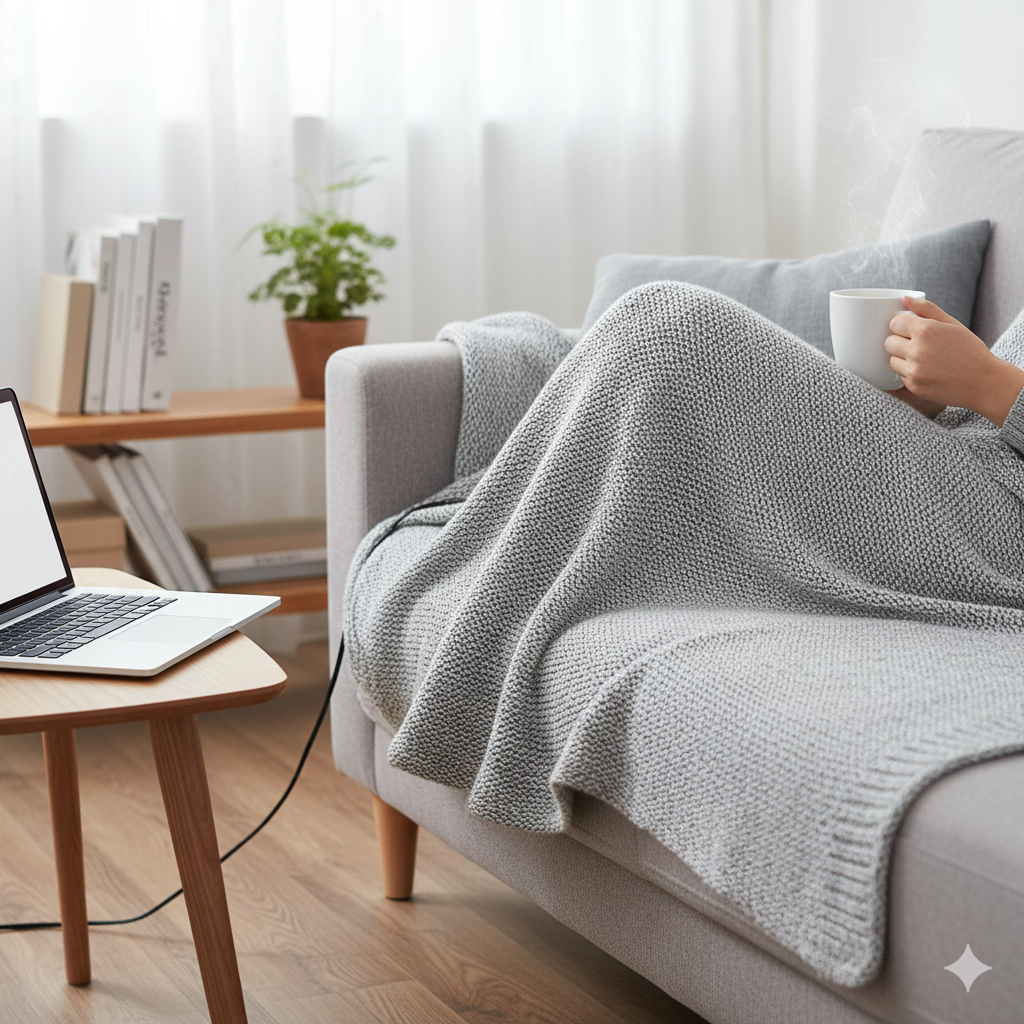
For daytime use — sofa evenings, working from home, or avoiding heating a whole room for one person — the electric throw is the more flexible option. Faster heat-up, portable, and at 3–6p per hour it’s a fraction of what even a small electric heater costs.
We use both. The blanket stays on the bed from October through March. The throw lives on the sofa arm and gets used most evenings. Between them they’ve genuinely changed how much we rely on the central heating.
Stay warm for less this winter with the full Smart Heating & Home Warmth Hub — explore smart thermostats, radiator valves, and insulation tricks that help cut UK energy bills fast.
For government-backed guidance on home energy efficiency, heating, and insulation, the GOV.UK energy section shares reliable, up-to-date information.
Related Guides
About The Author – Andrew Marshall
Andrew Marshall is a Scottish homeowner and the creator of Save Wise Living. He shares practical ways to reduce energy bills, improve home efficiency, and make everyday household routines cheaper and simpler.