
Cut energy bills, protect your clothes, and streamline your laundry setup with our handy step by step guide on how to build a low-energy laundry routine.
This article is part of our Laundry & Drying Efficiency hub, focused on practical UK advice for drying clothes indoors faster, avoiding damp, and keeping energy use low.
🧺 Why a Low-Energy Laundry Routine Matters in the UK
Laundry is one of the most energy-hungry tasks in UK homes. With rising electricity costs and unpredictable weather, it’s easy to rely on tumble dryers and hot washes — but these habits add up. A low-energy laundry routine helps you:
- Reduce household energy bills
- Extend the life of your clothes
- Lower your carbon footprint
- Make better use of small laundry spaces
This guide walks you through practical, step-by-step changes that work for UK households — whether you live in a compact flat, a busy family home, or just want to cut back on energy use.
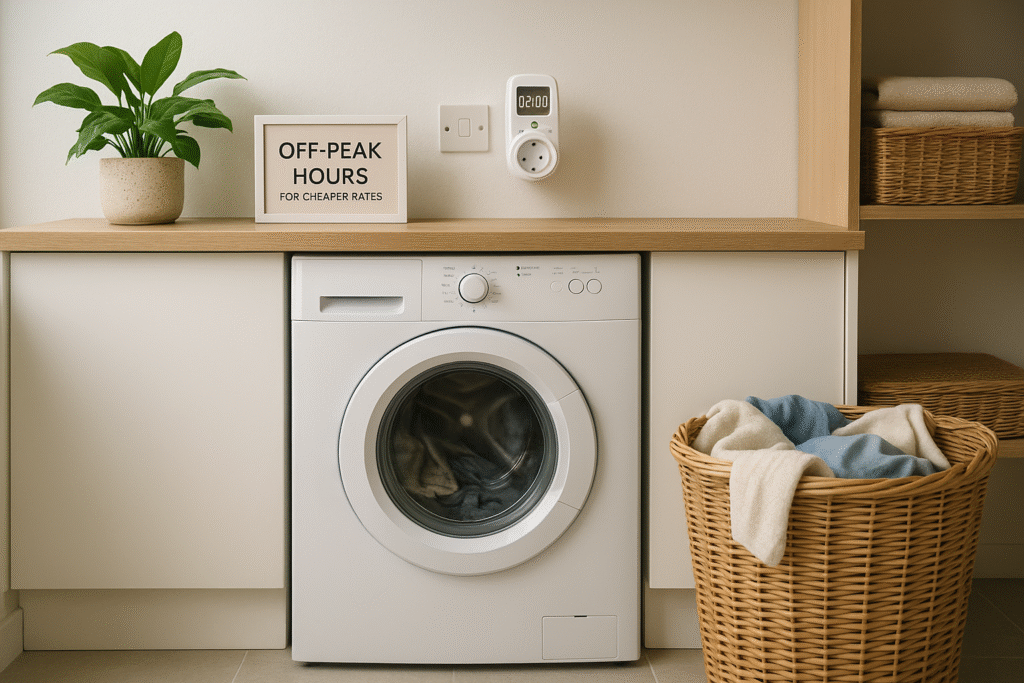
✅ Step 1: Wash at Lower Temperatures (30°C or Colder)
Washing at 30°C instead of 40°C or 60°C can cut energy use by up to 60% per cycle. Most modern detergents are designed to perform well in cooler water, especially those labelled “bio” or “cold wash.”
- Use longer eco cycles for better results
- Reserve hot washes for bedding, towels, or illness-related laundry
- Choose detergents formulated for low-temperature cleaning
- Try 20°C for lightly soiled loads if your machine supports it
Lower temperatures mean less energy, less wear on fabrics, and fewer colour fades.
✅ Step 2: Sort Smarter to Reduce Wash Loads
Sorting laundry properly helps you run fewer, more efficient loads. Instead of mixing everything together, use a multi-compartment laundry sorter to separate lights, darks, and colours in advance.
- Fewer mixed loads = fewer washes
- Avoid overfilling the drum — leave space for water and detergent to circulate
- Wait for full loads, but don’t overload
- Use collapsible sorters to save space in small homes
Pre-sorting also helps prevent colour transfer and fabric damage.
✅ Step 3: Skip the Tumble Dryer When Possible
Tumble dryers are among the most energy-intensive appliances in UK homes. A single cycle can cost up to £1 depending on your tariff and dryer type. Avoiding them is one of the biggest energy savers.
Low-energy drying alternatives:
- Heated clothes airers (cost ~6p/hour to run)
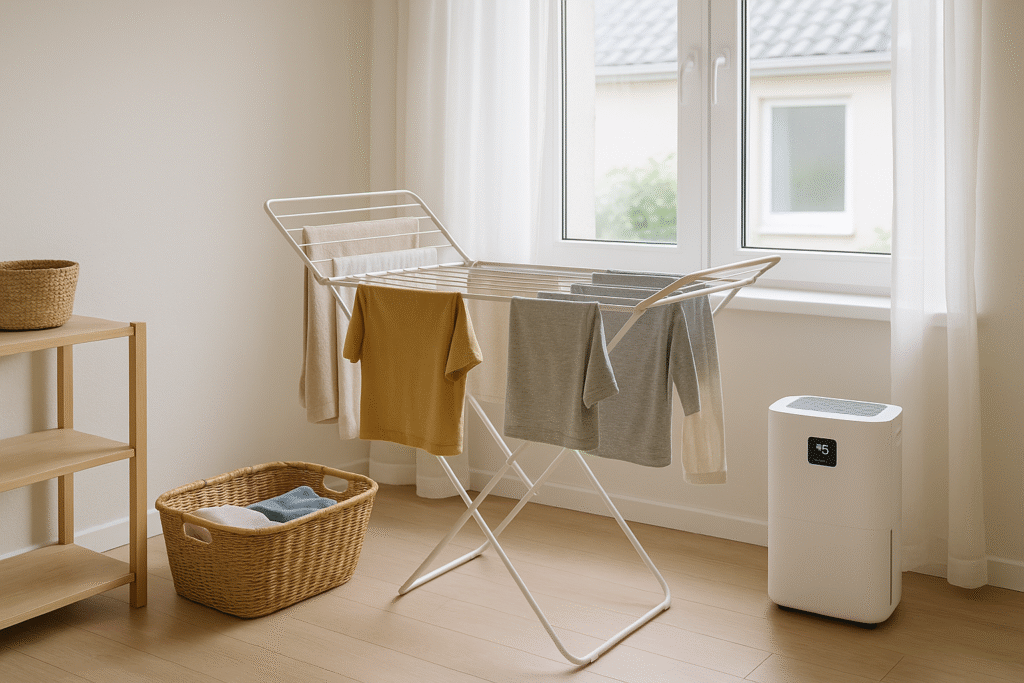
- Dehumidifiers to speed up indoor drying
- Outdoor drying racks or rotary lines
- Boosted spin cycles to extract more water
Hang clothes straight from the wash to reduce wrinkles and skip ironing altogether.
✅ Step 4: Use a Compact, Energy-Efficient Iron
Ironing can be another hidden energy drain. Compact steam irons and vertical steamers offer faster heat-up times and lower wattage — ideal for small UK homes.
- Choose irons with fast heat-up and auto shut-off
- Use vertical steam to refresh hanging clothes
- Hang clothes properly to reduce creasing naturally
- Consider steam generator irons with eco mode for frequent ironing
If you only iron occasionally, a lightweight travel-style steam iron may be all you need.
✅ Step 5: Choose the Right Detergents and Dosage
Using the wrong detergent — or too much — leads to re-washing, residue buildup, and wasted energy. Eco-friendly detergents are designed to work in cold water and rinse clean without excess suds.
- Use concentrated or plant-based formulas
- Follow dosage guides based on load size and water hardness
- Try pre-measured pods or caps for accuracy
- Skip fabric softener unless needed — it adds chemicals and can reduce towel absorbency
Correct dosing also protects your washing machine and reduces maintenance issues.
✅ Step 6: Optimise Your Laundry Space
A cluttered laundry area leads to inefficient habits. Whether you have a utility room or a laundry corner, optimising your space helps you stay organised and reduce energy waste.
- Use collapsible baskets and sorters to save space
- Install wall-mounted drying racks or fold-out airers
- Add moisture absorbers or mini dehumidifiers to prevent damp
- Keep airflow moving with extractor fans or open windows
A tidy laundry space encourages better habits and faster drying.
✅ Step 7: Build Habits That Stick
Even the best products won’t help if your routine isn’t consistent. Building low-energy laundry habits takes a bit of planning, but the payoff is worth it.
- Create a weekly laundry schedule
- Batch similar fabrics (e.g. quick-dry synthetics together)
- Involve the household — assign laundry days or tasks
- Use a checklist or printable planner to stay on track
- Track appliance usage with a smart plug or energy monitor
Seeing your savings in real numbers helps reinforce the habit.
💷 How Much Could You Save?
UK households could save up to £165 per year by switching to low-energy laundry habits. That includes cold washes, avoiding tumble dryers, and using efficient appliances.
| Habit Change | Estimated Annual Saving |
|---|---|
| Washing at 30°C instead of 60°C | £30–£50 |
| Avoiding tumble dryer use | £60–£100 |
| Using eco detergent correctly | £10–£15 |
| Air drying with dehumidifier | £20–£40 |
Total potential savings: £120–£165 per year
Drying is often the most expensive part of a laundry routine. This ranking of the cheapest ways to dry clothes in the UK helps you choose the right method before building the rest of your low-energy setup.
🧺 Smart Add-Ons for a Fully Low-Energy Laundry Setup
Once your laundry routine is built around cold washes and air drying, the next step is upgrading your tools. These guides help UK households go further — saving space, cutting energy use, and making laundry less of a chore:
- Explore the best compact steam irons and ironing stations for fast heat-up and low energy use in UK homes — ideal for small spaces and efficient crease removal.
- Discover the top collapsible laundry sorters and baskets to save space and streamline sorting in UK households — perfect for pre-sorting loads and folding away when not in use.
Together, these upgrades help you build a smarter, cleaner, and more energy-conscious laundry setup — tailored to modern UK living.
✅ Final Recommendation
If you’re ready to build a low-energy laundry routine, start with the most impactful swap: ditch the tumble dryer and switch to a heated clothes airer. One of the best options for UK homes is the:
Dry:Soon Deluxe Heated Airer (3-Tier)
- Energy use: ~300W (costs around 6p/hour to run)
- Capacity: Holds up to 15kg of laundry
- Features: Foldable design, optional cover, fast drying in damp rooms
Pair it with a cold-wash detergent and collapsible sorter, and you’ll be well on your way to a smarter, more sustainable laundry setup.
Small changes add up — and your laundry routine is the perfect place to start.
💨 Want to dry clothes faster, cheaper, and smarter—especially in small UK homes?
Explore our Laundry & Drying Efficiency Hub, a curated resource packed with expert tips, energy-saving gadgets, and clever solutions for indoor drying. From heated airers and compact dehumidifiers to smart laundry routines that actually work, this hub helps you cut costs, save space, and stay ahead of the damp.

About The Author – Andrew Marshall
Andrew Marshall is a Scottish homeowner and the creator of Save Wise Living. He shares practical ways to reduce energy bills, improve home efficiency, and make everyday household routines cheaper and simpler.