
Cleaning cloths are deceptively simple tools. Yet the choice between microfibre and cotton can shape how effective your cleaning routine is, how much money you spend over time, and even how eco‑friendly your household becomes.
This article takes a detailed look at microfibre cloths vs cotton cloths, comparing durability, cleaning performance, maintenance, sustainability, and value. By the end, you’ll know which cloth truly lasts longer — and where each one still shines.
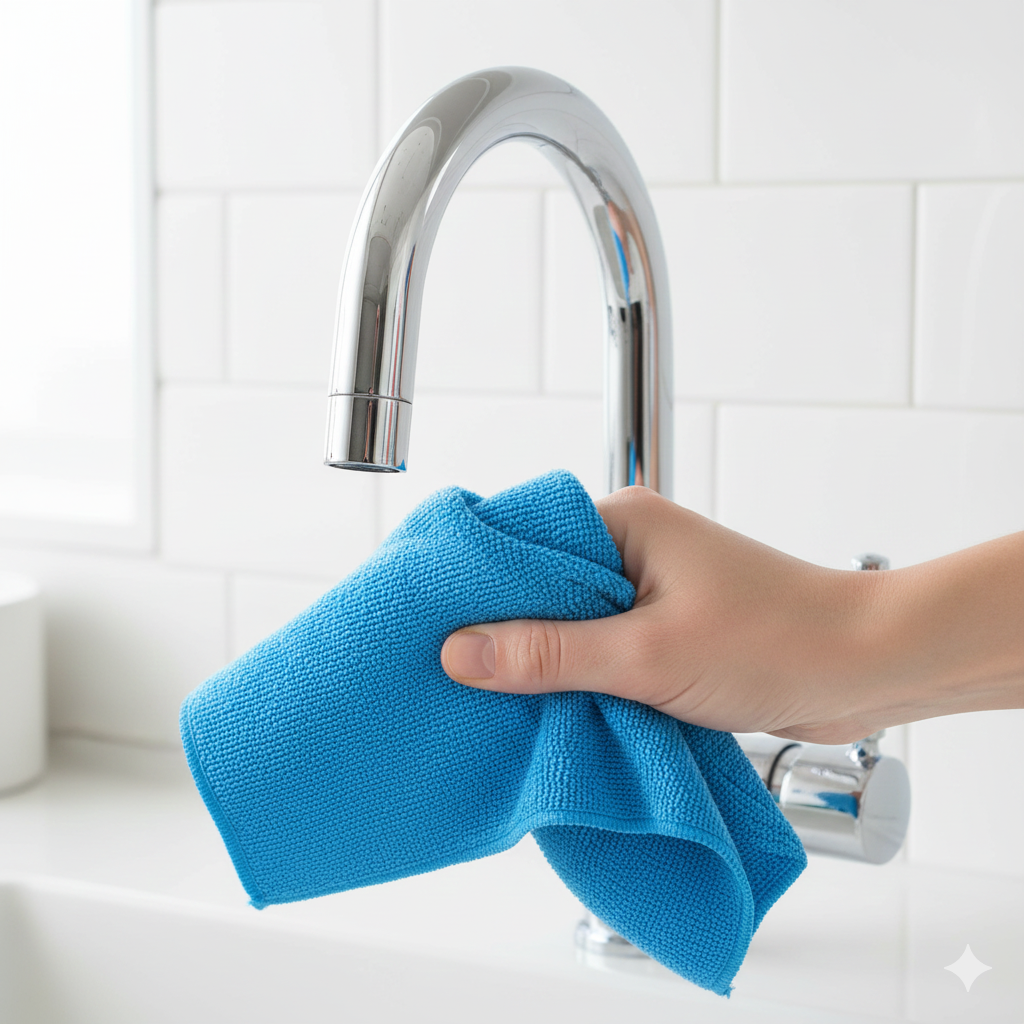
🧵 Material Science: Synthetic vs Natural
- Microfibre Cloths:
- Made from polyester and polyamide (nylon).
- Fibres are split into strands thinner than human hair.
- The weave creates millions of tiny hooks that grab dirt, dust, and moisture.
- Synthetic structure resists shrinking and fraying.
- Cotton Cloths:
- Plant‑based, natural fibre.
- Soft, breathable, and biodegradable.
- Absorbent but less structurally complex.
- Fibres swell when wet, which can weaken them over time.
Comparison: Microfibre is engineered for performance and longevity, while cotton is prized for comfort and tradition. One is a lab‑made specialist, the other a natural generalist.
🧼 Cleaning Performance: Streak‑Free vs Soak‑Up
Microfibre
- Traps dust and grease without chemicals.
- Leaves glass, mirrors, and stainless steel streak‑free.
- Electrostatic charge attracts particles.
- Works brilliantly with just water.
Cotton
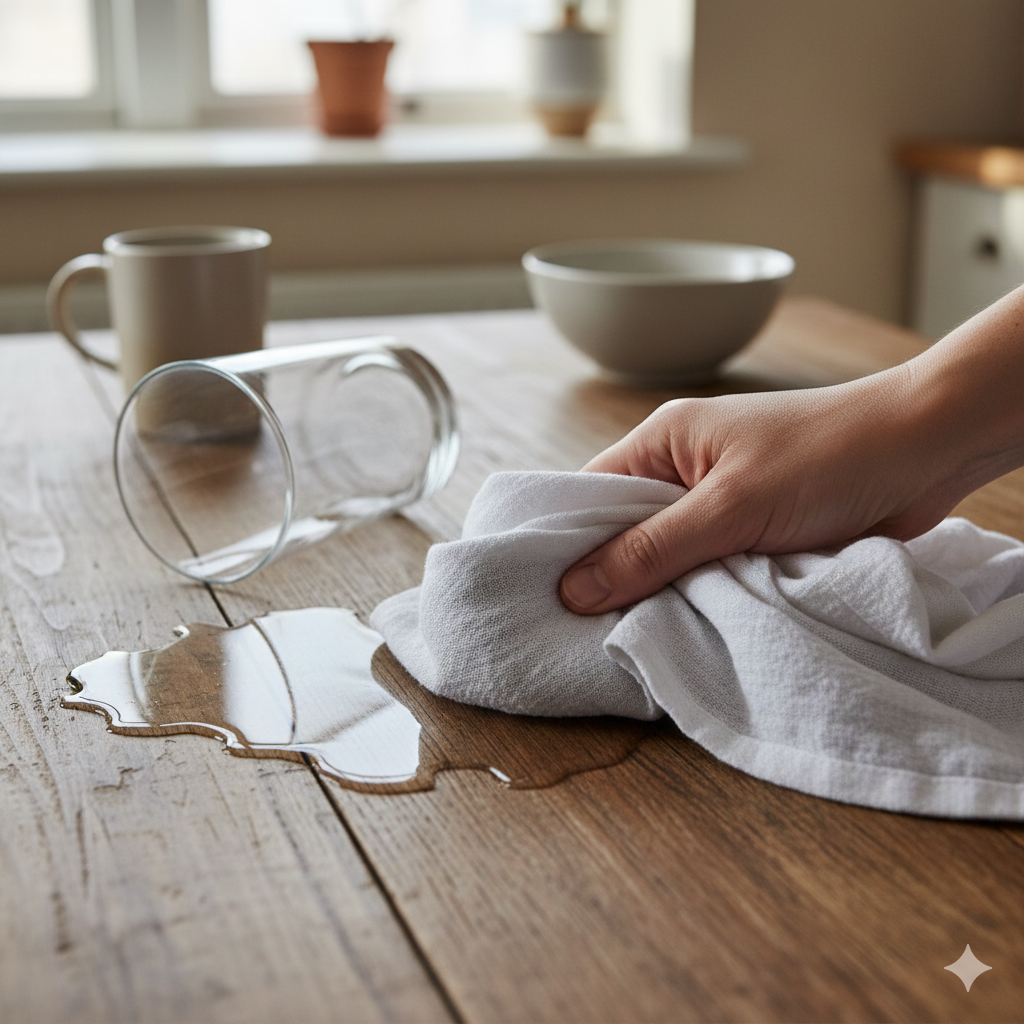
- Absorbs spills quickly.
- Gentle on delicate surfaces.
- Performs best with detergents or soap.
- Can leave lint or streaks on shiny finishes.
Comparison: Microfibre excels at precision cleaning (glass, electronics, taps), while cotton is better for bulk absorption (spills, drying dishes).
🧩 Durability & Lifespan: 500 Washes vs 100 Washes
Microfibre
- Typically lasts 300–500 washes.
- Maintains structure after repeated use.
- Quick‑drying reduces mildew risk.
- Resistant to shrinking and fraying.
Cotton
- Typically lasts 50–100 washes.
- Fibres weaken with repeated soaking.
- Shrinks in hot washes.
- Absorbency declines over time.
Comparison: Microfibre lasts 3–5 times longer than cotton. Cotton cloths wear out faster, especially in heavy cleaning routines.
💷 Cost vs Value: Upfront vs Long‑Term
| Cloth Type | Average Cost (UK) | Washes | Cost per Use |
|---|---|---|---|
| Microfibre | £6 for 5‑pack | 400 | ~£0.015 |
| Cotton | £5 for 5‑pack | 80 | ~£0.062 |
Comparison: Cotton is cheaper upfront, but microfibre delivers far better value per use. Over a year, microfibre cloths can save households money by lasting longer and reducing detergent use.
🛠️ Maintenance: Care Differences
- Microfibre:
- Wash at 30–40°C.
- Avoid fabric softener (clogs fibres).
- Air dry or tumble dry low.
- Pads remain effective for hundreds of cycles.
- Cotton:
- Wash at 40–60°C with detergent.
- Can be tumble dried.
- May shrink or lose shape.
- Requires more frequent replacement.
Comparison: Microfibre demands more careful washing but rewards you with longevity. Cotton is more forgiving but wears out faster.
🌍 Sustainability: Longevity vs Biodegradability
- Microfibre:
- Synthetic, non‑biodegradable.
- Can shed microplastics in laundry.
- Longevity reduces waste and chemical use.
- Cotton:
- Renewable, biodegradable, compostable.
- Water‑intensive to grow.
- Shorter lifespan means more frequent replacement.
Comparison: Cotton wins at end‑of‑life eco‑impact, but microfibre reduces waste through durability. The sustainability debate is nuanced: longevity vs biodegradability.
🧠 Use Cases: Side‑by‑Side
| Task | Microfibre | Cotton | Verdict |
|---|---|---|---|
| Polishing glass | ✅ Streak‑free | ❌ Can streak | Microfibre |
| Absorbing spills | ⚠️ Slower | ✅ Fast | Cotton |
| Dusting shelves | ✅ Traps dust | ❌ Misses particles | Microfibre |
| Scrubbing tiles | ✅ Tough weave | ⚠️ Needs detergent | Microfibre |
| Drying dishes | ❌ Less absorbent | ✅ Soft & absorbent | Cotton |
| Cleaning with water only | ✅ Works | ❌ Needs soap | Microfibre |
👤 Author Insight
In practice, I reach for microfibre cloths when I want quick, streak‑free results — polishing taps, wiping mirrors, or dusting electronics. Cotton cloths still earn their place in the kitchen, especially for drying dishes or soaking up spills. The difference in lifespan is stark: my microfibre cloths look fresh after months, while cotton ones fray and fade quickly.
🛒 Recommended Products (Amazon UK)
Microfibre Cloths
- Amazon Basics Microfibre Cleaning Cloths (Pack of 24) – Durable, multi-surface, machine washable.
- E-Cloth General Purpose Cloths (Pack of 4) – High-performance, chemical-free cleaning.
Cotton Cloths
- TowelogyCotton Dish Cloths (Pack of 10) – Traditional weave, soft and absorbent.
- Adore Home Yellow Cotton Cleaning Cloths (Pack of 8) – Affordable, multi-purpose
❓ FAQ
Q: Do microfibre cloths shed microplastics? Yes, but laundry bags and air drying reduce shedding.
Q: Are cotton cloths compostable? Yes, if 100% cotton and untreated.
Q: Which cloth is better for allergies? Microfibre — traps allergens without chemicals.
Q: Can microfibre replace cotton entirely? Not always — cotton is better for drying and certain kitchen tasks.
🧽 More Everyday Cleaning Comparisons
If you’re weighing up microfibre vs cotton cloths, you’ll enjoy our other deep‑dive guides into household tools. For floor care, check out Steam Mop vs Traditional Mop: Which Is Worth It? to see how modern steam technology stacks against the classic mop and bucket. And if vacuuming is your bigger time‑drain, don’t miss Cordless vs Upright Vacuums: Which Saves More Time & Money? — a head‑to‑head that reveals which machine really fits busy UK homes.
✅ Conclusion
So, which lasts longer?
Microfibre cloths clearly outperform cotton cloths in durability, cleaning power, and long‑term value. They’re ideal for high‑frequency cleaning, especially in kitchens and bathrooms. Cotton cloths still shine for drying, softness, and eco‑friendliness — but they wear out faster and need more detergent.
For most UK households, the smart move is to stock both: microfibre for cleaning, cotton for drying and gentle tasks. That way, you get the best of both worlds — and your cloths last longer where it counts.
If you’d like more time-saving tools, low-cost cleaning ideas and deep-dive comparisons, you can browse the growing Home Cleaning Hub, which brings all of our home-cleaning guides together in one place.
For independent advice on sustainable textiles and household fabrics, see WRAP’s UK guidance on textiles and reuse.
👉 https://wrap.org.uk/taking-action/textiles
Written by Andy M. — sharing practical, low-waste cleaning swaps that save money and simplify UK homes.