
Smart scheduling, low-energy tools, and UK-specific tariff tips to cut laundry costs and reduce damp.
In UK homes, laundry is one of the most energy-hungry routines — especially when done during peak electricity hours. But with smart meters, flexible tariffs, and low-energy appliances now widely available, it’s possible to dramatically reduce your laundry costs simply by shifting when and how you wash, dry, and dehumidify.
This guide walks you through the essentials of off-peak laundry in the UK. Whether you’re on Economy 7, Agile Octopus, or just trying to avoid high evening rates, you’ll learn how to time your laundry, automate your setup, and choose the right tools to save money and protect your home from damp.
This article is part of our Laundry & Drying Efficiency hub, focused on practical UK advice for drying clothes indoors faster, avoiding damp, and keeping energy use low.
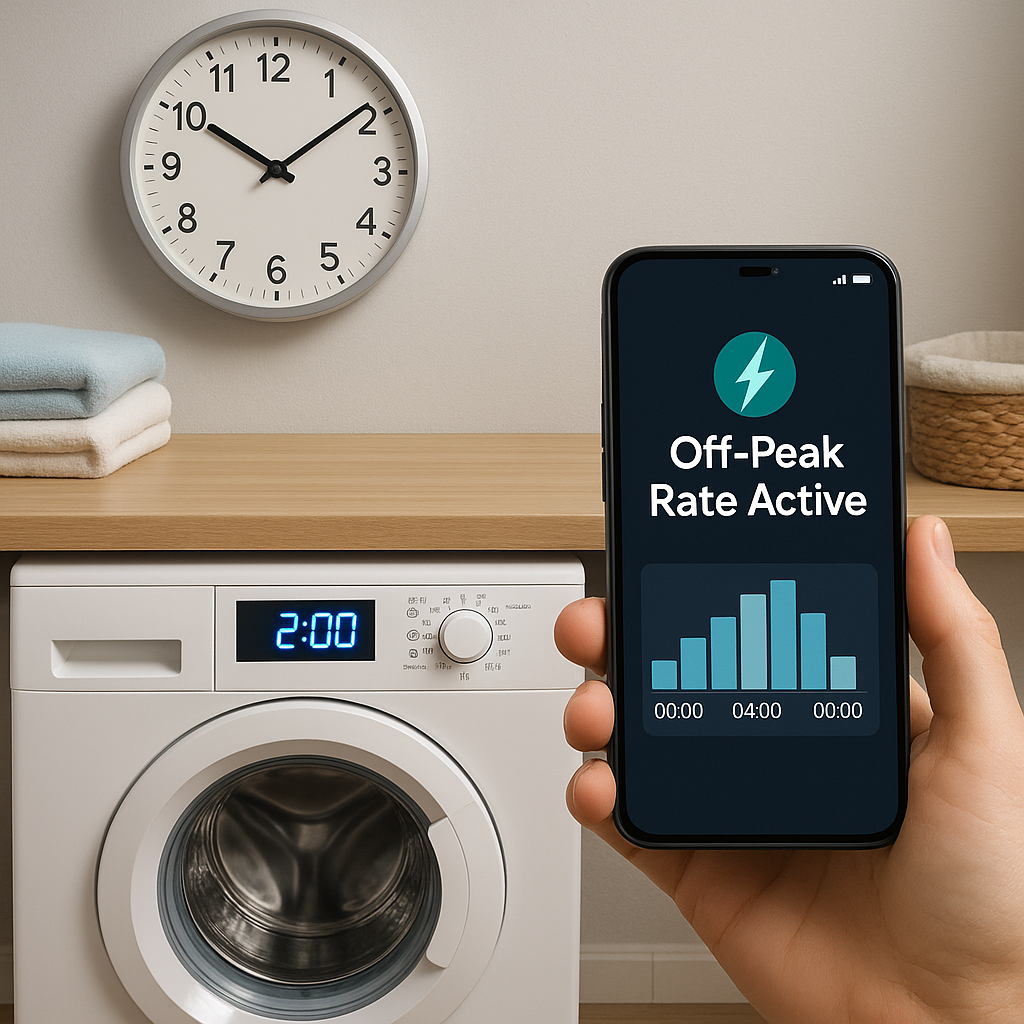
⚡ Understanding Off-Peak Electricity Tariffs in the UK
Off-peak electricity refers to hours when demand on the grid is lower — typically overnight or early morning. During these times, energy suppliers offer cheaper rates to encourage usage outside peak periods. If you time your laundry tasks correctly, you can cut your energy costs by 50% or more.
Here are the most common UK off-peak tariffs:
- Economy 7: Offers 7 hours of cheaper electricity, usually between 11pm and 7am. You’ll pay a lower rate during these hours and a higher rate during the day.
- Economy 10: Includes 10 off-peak hours split across day and night (e.g. 3 hours in the afternoon, 7 overnight).
- Agile Octopus: A dynamic tariff that changes every half hour based on wholesale prices. Rates are often lowest overnight and during weekends.
- Smart meter time-of-use tariffs: Many suppliers now offer flexible pricing based on real-time demand. You can track rates via apps or online dashboards.
To benefit from off-peak pricing, you’ll need:
- A compatible smart meter or dual-rate meter
- A tariff that rewards off-peak usage
- Appliances that can be scheduled or delayed
- Awareness of your supplier’s rate windows
Savings potential: If your washing machine uses 1.5 kWh per cycle, and your off-peak rate is 12p/kWh vs 30p/kWh peak, you’ll save 27p per wash. Multiply that by 3–5 loads per week, and you’re looking at £40–£60 per year just from washing off-peak.
🧺 When to Wash: Best Times for Off-Peak Washing
Washing machines are one of the easiest appliances to shift into off-peak hours. Most modern models include a delay-start feature, and smart plugs can automate older machines.
Tips for off-peak washing:
- Use delay-start or timer plugs to run machines overnight
- Choose eco cycles — longer but more energy-efficient
- Wash at 30°C or lower to reduce energy use
- Avoid peak hours (typically 4pm–9pm)
🛒 Recommended:
- ANTELA Smart Plug with Energy Monitoring (4-pack) – schedule appliances and track usage
- Lowenergie Smart WiFi Plug with Energy Monitoring – works with Alexa/Google, no hub required
- Plug-In Mechanical Timer Switch (24hr)(3-pack) – simple and affordable for older machines
Safety tip: If washing overnight, ensure your machine is BSI-approved, well-maintained, and located away from sleeping areas. Consider installing a smoke alarm nearby for peace of mind.
🧼 When to Dry: Heated Airers vs Tumble Dryers
Tumble dryers are among the most expensive appliances to run — often costing £1+ per cycle during peak hours. Heated clothes airers offer a low-energy alternative, especially when used during off-peak times.
Why heated airers work well:
- Use ~300W vs 2500W+ for tumble dryers
- Cost around 6p/hour to run off-peak
- Foldable designs suit small UK homes
- Gentle drying protects clothes and reduces shrinkage
Drying tips:
- Boost spin cycle to extract more water before drying
- Hang clothes with space between for airflow
- Use a cover or drying tent to trap heat and speed up drying
- Dry overnight or early morning to stay within off-peak hours
🛒 Recommended:
- Lakeland – Dry:Soon Deluxe Heated Airer (3-Tier) – folds flat, holds 15kg, costs ~6p/hour to run
💨 When to Dehumidify: Boost Drying Without the Dryer
Indoor drying can lead to condensation, mould, and musty smells — especially in UK homes with poor ventilation. A dehumidifier helps remove moisture from the air, speeding up drying and protecting your space.
Benefits of laundry-mode dehumidifiers:
- Extract moisture quickly from drying clothes
- Reduce damp and condensation in bedrooms or utility rooms
- Use less energy than tumble dryers
- Work well alongside heated airers
🛒 Recommended:
- MeacoDry Arete One 12L Dehumidifier & HEPA Air Purifier – ultra-quiet, low energy, with smart laundry mode
Timing tip: Run your dehumidifier during off-peak hours or alongside your drying setup. Many models include timers or smart scheduling features.
🔌 How to Automate Your Off-Peak Laundry Routine
Automation makes it easier to stick to off-peak habits — even if you’re asleep or out during cheaper hours. Smart plugs, timer switches, and energy monitors help you schedule appliances and track usage.
Tools to automate your routine:
- Smart plugs with energy monitoring
- Mechanical timer plugs
- Smart sockets with app control
- Energy monitors to track usage and savings
Setup tips:
- Plug your washing machine or airer into a smart socket
- Set timers to match your off-peak window
- Use app alerts to track usage and adjust schedules
- Combine with a weekly laundry planner to stay consistent
🧠 Bonus Tips for Off-Peak Laundry Success
- Batch similar loads: quick-dry synthetics together, heavy cottons separately
- Use cold-wash detergents designed for 30°C or below
- Hang clothes straight from the wash to reduce wrinkles
- Ventilate your drying space to prevent damp
- Track your savings to reinforce the habit
💷 How Much Could You Save?
Switching to off-peak laundry can lead to significant savings — especially when combined with low-energy appliances and smart scheduling.
| Change | Estimated Annual Saving |
|---|---|
| Washing off-peak (Economy 7) | £40–£60 |
| Using heated airer vs dryer | £60–£100 |
| Dehumidifying off-peak | £20–£40 |
| Smart plug scheduling | £10–£20 |
Total potential savings: £130–£220 per year
If you’re on a dynamic tariff like Agile Octopus, savings could be even higher — especially if you schedule laundry during ultra-low overnight rates (sometimes as low as 2p/kWh).
Running appliances off-peak helps, but some drying methods are far cheaper than others regardless of timing. This guide to the cheapest way to dry clothes in the UK ranks methods by real energy cost, not just tariff windows.
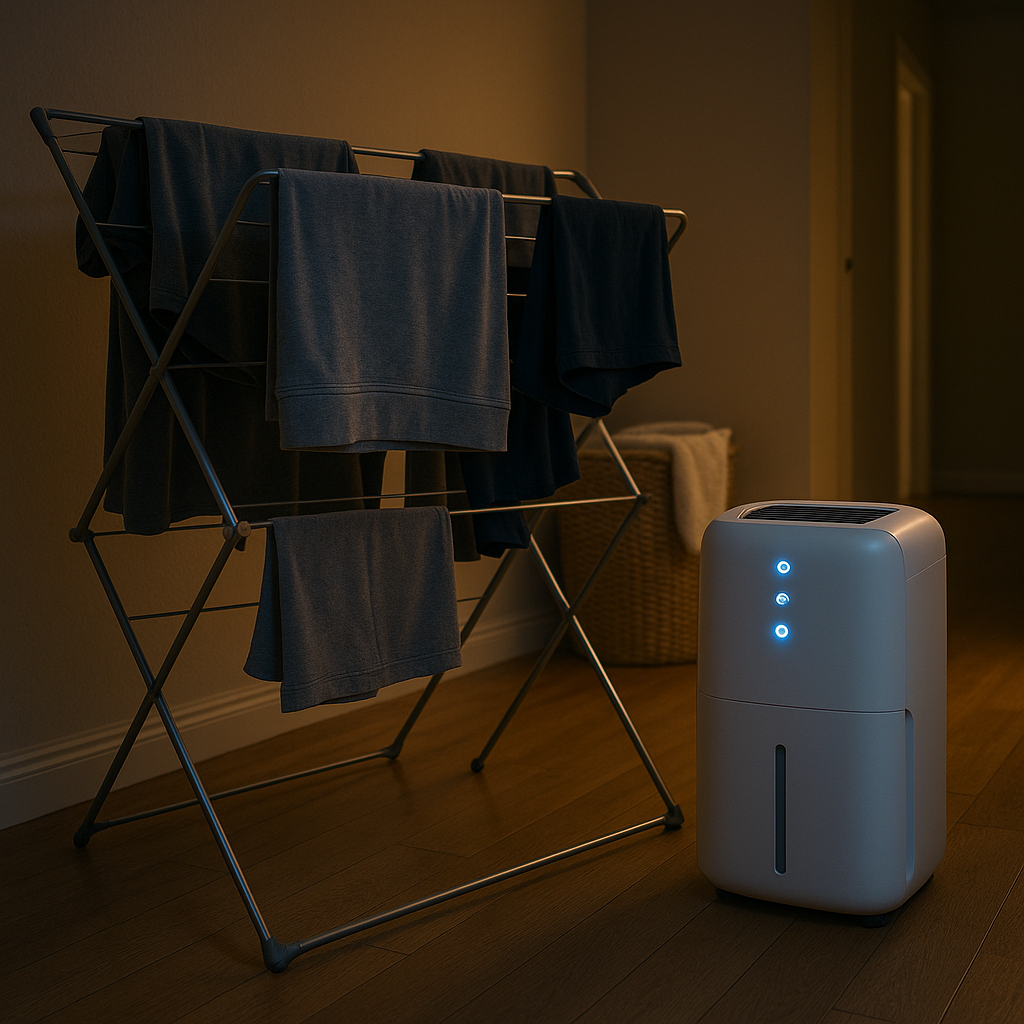
🧺 Smarter Laundry Starts with Sorting & Cold Washing
Once you’ve mastered off-peak scheduling, the next step is upgrading your laundry setup for maximum efficiency. These guides help UK households sort smarter, wash colder, and build habits that stick:
- Discover the best collapsible laundry sorters and baskets for UK homes — ideal for pre-sorting loads and saving space in small laundry areas.
- Build a full low-energy laundry routine with step-by-step UK tips — from cold washes and eco detergents to drying and ironing smarter.
Together, these upgrades help you create a cleaner, cheaper, and more sustainable laundry system — tailored to modern UK living.
✅ Final Recommendation
If you’re ready to build an off-peak laundry routine, start with the most impactful upgrade: ditch the tumble dryer and switch to a heated clothes airer. The best option for UK homes is the:
Lakeland – Dry:Soon Deluxe Heated Airer (3-Tier)
- Energy use: ~300W (costs around 6p/hour to run off-peak)
- Capacity: Holds up to 15kg of laundry
- Features: Foldable design, optional cover, fast drying in damp rooms
Pair it with a smart plug and the MeacoDry Arete One dehumidifier, and you’ll be well on your way to a smarter, cheaper, and more sustainable laundry setup — tailored to UK living.
Off-peak laundry isn’t just about saving money — it’s about building a routine that works better for your home, your clothes, and the planet.
💨 Want to dry clothes faster, cheaper, and smarter—especially in small UK homes?
Explore our Laundry & Drying Efficiency Hub, a curated resource packed with expert tips, energy-saving gadgets, and clever solutions for indoor drying. From heated airers and compact dehumidifiers to smart laundry routines that actually work, this hub helps you cut costs, save space, and stay ahead of the damp.
Visit the Laundry & Drying Efficiency Hub to upgrade your drying game.