
Keeping your home warm in winter isn’t just about cranking up the thermostat or upgrading your windows — sometimes, the biggest source of heat loss is right under your feet. In many UK homes, especially older ones, cold air creeps in through tiny gaps between floorboards and along skirting boards, making rooms feel chilly no matter how high the heating is set. Learning how to seal floor and skirting gaps is one of the simplest, most affordable ways to block draughts, retain warmth, and cut down on energy bills — all without major renovation. This guide walks you through the best methods to spot, seal, and insulate those hidden trouble spots for a cosier, more efficient home.
The good news? You don’t need a full renovation to fix it. With a few simple tools and a bit of know-how, you can seal those gaps and make your home feel instantly cosier.
🔍 Spot the Problem Areas
Before you grab the sealant, take a walk around your home and look closely at:
- The join between skirting boards and hard flooring (wood, laminate, tile)
- Gaps between floorboards, especially in older homes
- Spaces around radiator pipes or cable entry points
- Thresholds under internal doors
Use a torch or your hand to feel for cold air. If you’ve got incense or a candle, watch the flame — if it flickers near the floor, you’ve found a draught.
🧰 What You’ll Need
You don’t need fancy gear. Most fixes can be done with:
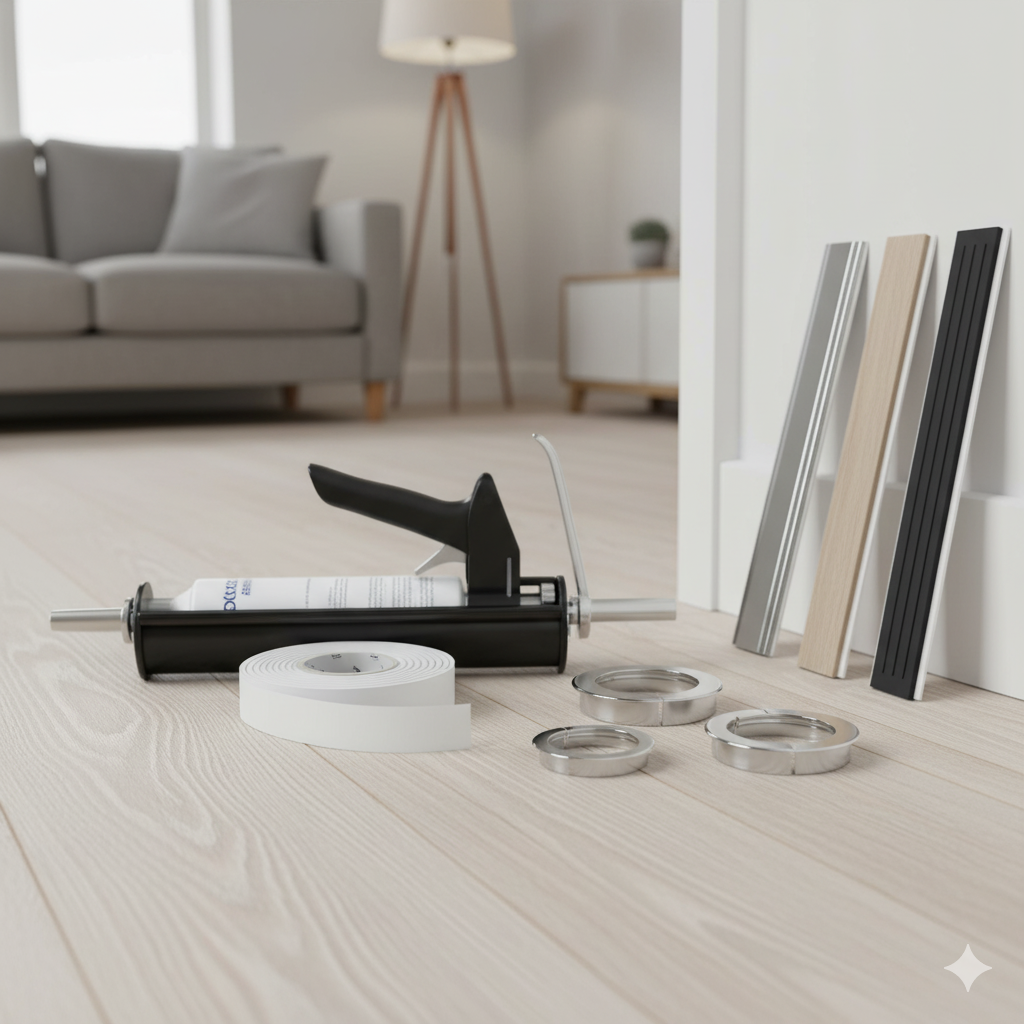
- A caulking gun
- Flexible sealant (acrylic or silicone)
- Masking tape
- Utility knife
- Damp cloth or smoothing tool
- Optional: expanding foam for larger holes
🛒 Browse flexible sealants on Amazon UK
🛒 Browse caulking guns on Amazon UK
🛠️ Best Ways to Seal Gaps
1. Seal Between Skirting and Floor
This is the most common gap — and the easiest to fix. Use a flexible, paintable sealant to fill the space between the skirting board and the floor. Apply masking tape for a clean edge, run the sealant along the gap, smooth it with a damp cloth, and remove the tape. Once dry, you can paint over it to match your skirting.
2. Fill Gaps Between Floorboards
If you’ve got wooden floors with visible gaps, use a floorboard gap filler that flexes with movement. Rope-style fillers or specialist compounds work well and help retain heat without cracking.
3. Seal Around Radiator Pipes
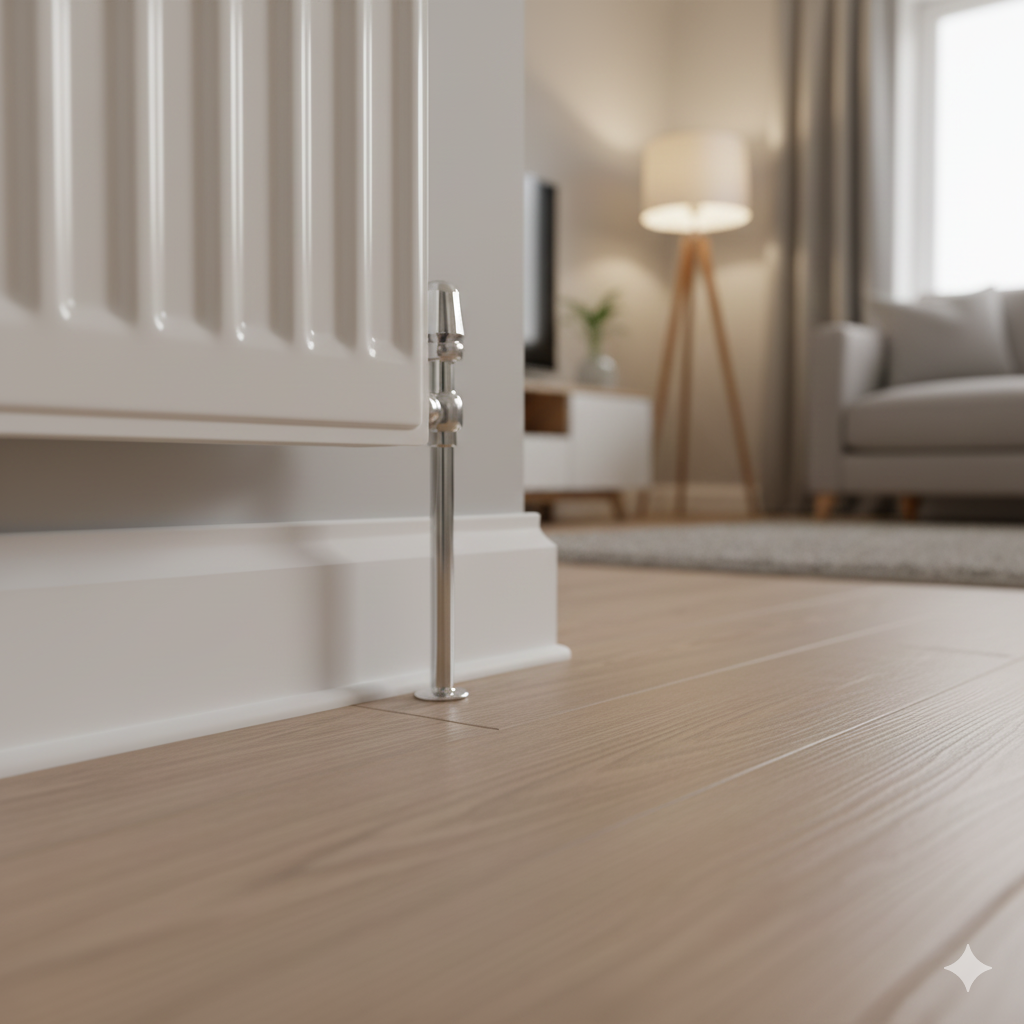
Radiator pipes often leave small gaps where they enter the floor. Pipe collars are a neat, snap-on solution that seal the space and stop cold air rising through the floor.
4. Block Draughts Under Doors
Install threshold strips under internal doors to prevent heat escaping between rooms. These are especially useful in hallways and bathrooms.
🧦 Extra Tips for Cosier Floors
Once you’ve sealed the gaps, you can layer up for even more warmth:
- Add rugs to bare floors — especially in bedrooms and living rooms
- Use insulating underlay beneath carpets or mats
- Seal cable entry points with putty or foam pads
- Use expanding foam for larger holes in corners or behind furniture
🛒 Browse insulating underlay on Amazon UK
🛒 Browse expanding foam filler on Amazon UK
🧤 What to Do If You Can’t Seal Permanently
If you’re renting, short on time, or just not ready to commit to permanent sealing, there are still ways to block draughts effectively:
- Use rolled-up towels or fabric draught stoppers along skirting edges.
- Lay down thick rugs or mats to cover floorboard gaps.
- Apply removable foam tape to skirting joins — easy to peel off later.
- Use pipe insulation foam around radiator pipes if collars aren’t an option.
- Try temporary threshold seals that press-fit under doors without screws.
These quick fixes won’t last forever, but they’ll get you through the season — and they’re perfect for renters who want warmth without risking their deposit.
Sealing draughts is only one part of the solution, as significant heat loss often occurs through walls, lofts, and solid floors in older homes.
If you’re looking to go beyond sealing and really boost your home’s warmth, layering insulation is the next step especially in older properties. Our guide on how to layer insulation in older homes without major renovation shares clever ways to add warmth without tearing walls apart. And if you’re after quick wins,
10 affordable ways to keep warm without touching the thermostat offers practical, low-cost tips that pair perfectly with the draught-proofing methods in this article.
🏁 Conclusion: Small Fixes, Big Comfort
Learning how to seal floor and skirting gaps is one of the most practical ways to keep heat in and cut energy bills.
Sealing gaps around your floors and skirting boards might seem like a minor job, but the impact is anything but small. These hidden draughts are often the reason a room never feels truly warm, no matter how high the thermostat goes. By tackling them head-on, you’re not just saving money — you’re reclaiming comfort.
Think of it as layering your home the same way you layer your clothes in winter. Every seal, strip, and filler adds another barrier between you and the cold. And unlike big renovations, these fixes are quick, affordable, and totally doable with a few basic tools.
Whether you live in a Victorian terrace, a modern flat, or a rented property with creaky floorboards, these methods work. They’re renter-friendly, budget-friendly, and energy-smart — exactly what UK households need right now.
So next time you feel that chill creeping in from the floor, don’t reach for the thermostat. Reach for the sealant. Your feet (and your heating bill) will thank you.
Stay warm for less this winter with the full Smart Heating & Home Warmth Hub explore smart thermostats, radiator valves, and insulation tricks that help cut UK energy bills fast.
Worth reading if draughts are still getting in:
Sealing skirting boards and floor gaps works best alongside other draught-proofing fixes — these guides cover the most common problem areas:
- Using weather stripping tape to seal small gaps
- Door draught stoppers that block cold air effectively
- DIY home insulation products that make a real difference
- Cheap DIY fixes that can reduce heating bills overall

About The Author – Andrew Marshall
Andrew Marshall is a Scottish homeowner and the creator of Save Wise Living. He shares practical ways to reduce energy bills, improve home efficiency, and make everyday household routines cheaper and simpler.