
Accuracy and Energy Costs in UK Homes
UK households are under pressure from rising electricity bills, and one of the most important questions is how accurately we can measure and manage energy use. Traditional electricity meters have been the backbone of billing for decades, while smart energy monitors promise real-time insights, appliance-level tracking, and behaviour-changing data. The key question is: which is really more accurate, and which should you rely on to cut bills?
This guide compares smart energy monitors vs traditional meters in UK homes, explains how each works, and highlights the benefits and drawbacks. By the end, you’ll know which option fits your household best and how to make smarter energy decisions.
✍️ Author Insight
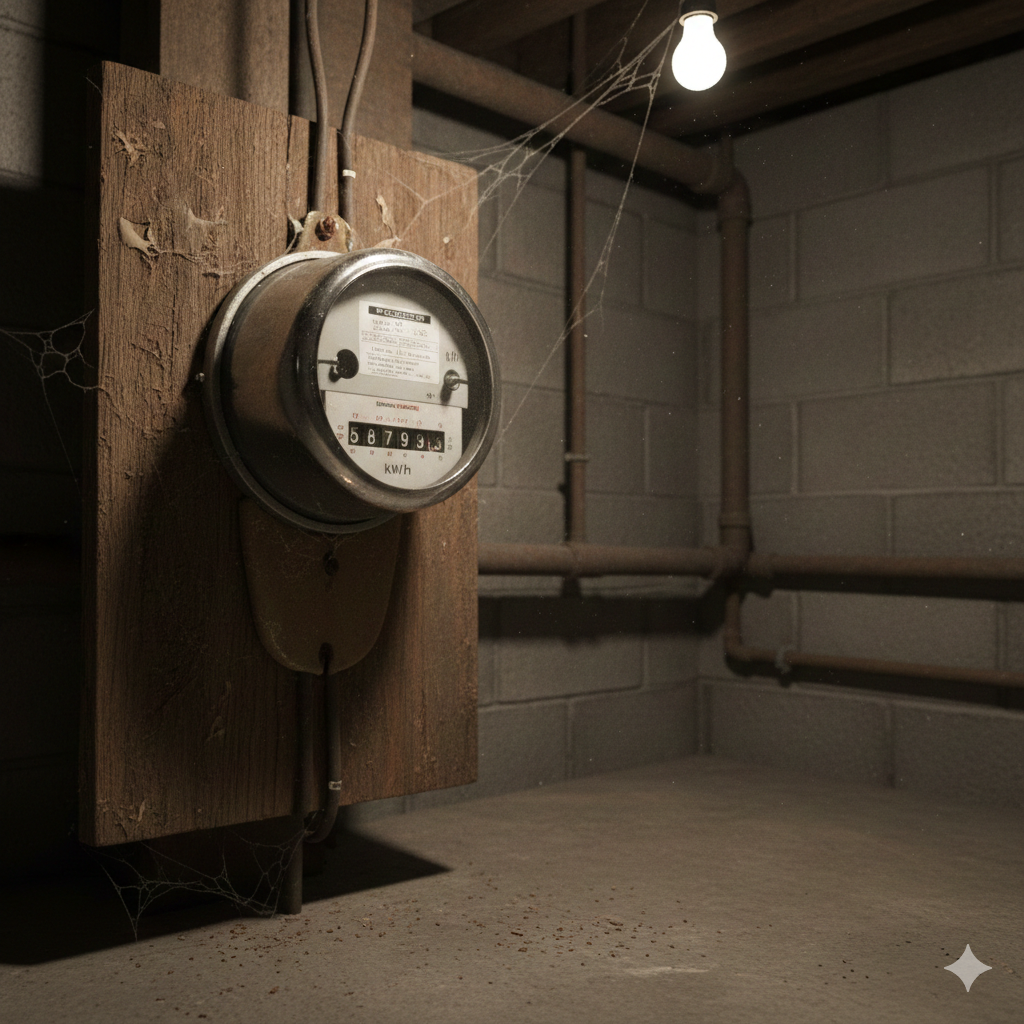
I remember standing in my utility room trying to decide whether to just stick with the traditional meter or go for a smart energy monitor. On one hand, the meter was simple and already there, but it only told me the total usage after the fact. What really mattered in my UK home was spotting which appliances were quietly draining power every day. In the end, I went with the monitor because seeing live data made it so much easier to change habits. One thing people often miss is how much placement matters — in older houses with thick walls, a poor Wi-Fi signal can throw off the readings, so getting that right makes all the difference.
Traditional Electricity Meters Explained
Traditional meters are the standard devices installed in UK homes. They measure total electricity consumption and provide readings used by suppliers to calculate bills.
How they work:
- Mechanical or digital counters track cumulative electricity usage.
- Readings are taken manually, either by the homeowner or a meter reader.
- Bills are based on quarterly or monthly readings.
Strengths:
- Highly reliable for billing purposes.
- Simple, durable, and low-maintenance.
- Officially recognised by energy suppliers.
Limitations:
- No real-time feedback — you only see usage after the fact.
- Cannot show which appliances are consuming the most power.
- Difficult to identify phantom loads or daily usage patterns.
Traditional meters are accurate for billing but limited in helping households actively reduce consumption.
Smart Energy Monitors Explained
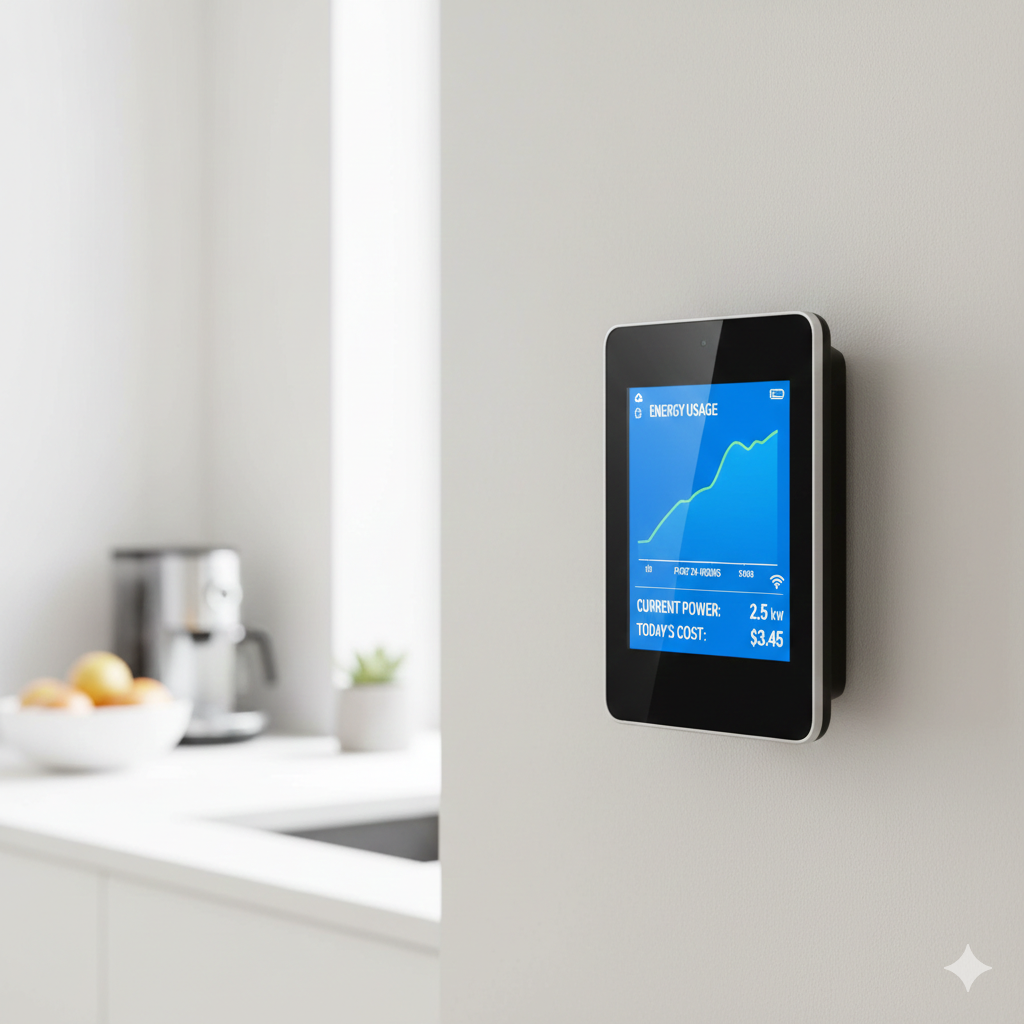
Smart energy monitors are devices that connect to your mains supply or smart meter, providing real-time data on electricity usage. Some models even track individual appliances through smart plugs.
How they work:
- Sensors measure electricity flow and transmit data to a display or app.
- Real-time monitoring shows usage instantly.
- Many models provide graphs, alerts, and historical data.
Strengths:
- Immediate feedback helps households change behaviour.
- Appliance-level tracking identifies high-drain devices.
- Easy to spot phantom loads like chargers or entertainment systems.
- Encourages energy-saving habits by showing the impact of actions.
Limitations:
- Accuracy depends on proper installation.
- Some models require Wi-Fi or app setup.
- Initial cost is higher than relying on a traditional meter.
Smart energy monitors are not official billing devices, but they provide far more actionable insights for everyday energy management.
Accuracy Comparison: Monitors vs Meters
Traditional meters:
- Accurate for billing — they measure total consumption precisely.
- Limited to cumulative readings, with no breakdown by time or appliance.
Smart energy monitors:
- Accurate for real-time usage, often within 1–2% of actual consumption.
- Provide detailed breakdowns, helping identify waste.
- May show slight discrepancies compared to official meters, but the difference is negligible for household decision-making.
Verdict: Traditional meters are accurate for billing, while smart monitors are more accurate for daily usage tracking and identifying savings opportunities.
Practical UK Scenarios
Heated Airer in Winter A heated airer can consume 200–300W. A traditional meter will show increased usage over time, but a smart monitor will reveal exactly how much it costs per hour, helping you decide whether to use it less or switch to a timer plug.
Entertainment System A TV, console, and soundbar left on standby can waste £40–£50 annually. A traditional meter won’t highlight this, but a smart monitor will show the constant draw, prompting you to unplug or use a smart extension cable.
Home Office Setup Routers, monitors, and printers often run 24/7. A smart monitor can show the overnight drain, encouraging you to schedule shutdowns. Traditional meters only reflect the total bill, without pointing to the cause.
Pros and Cons
| Feature | Traditional Meter | Smart Energy Monitor |
|---|---|---|
| Accuracy | Precise for billing | Precise for real-time usage |
| Feedback | Delayed, cumulative | Instant, detailed |
| Appliance Tracking | No | Yes (on many models) |
| Behaviour Change | Limited | Strong — encourages savings |
| Cost | Included with supply | £20–£150 depending on model |
| Best Use Case | Billing and official records | Daily management and savings |
UK Testing Insights
Households using smart energy monitors often report:
- 10–15% reduction in bills after adjusting habits.
- Greater awareness of phantom loads.
- More efficient use of high-drain appliances like tumble dryers and heated airers.
Traditional meters remain essential for billing, but they don’t provide the insights needed to actively cut costs.
Best Smart Energy Monitors (Amazon UK)
- Emporia Vue Smart Home Energy Monitor
- Efergy Engage Hub Kit – Real-Time Energy Monitor
- OWL Intuition Smart Electricity Monitor
- Electricity Usage Monitor with Backlight & Overload Protection
- TP-Link Tapo P110 Smart Plug with Energy Monitoring
🔗 Next Reads — ⚡ Smarter Energy Choices
If you’re weighing up smart energy monitors against traditional meters, you’ll get even more clarity by exploring how to cut wasted electricity at the device level. Our guide on smart plugs vs smart extension cables shows which tool is best for reducing standby costs, while the room-by-room plug load reduction plan gives you a practical blueprint for tackling phantom energy across your entire home.
Check out these guides next:
- Smart Plugs vs Smart Extension Cables — The Real Winner for Cutting Bills (UK Testing)
- The Room-by-Room Plug Load Reduction Plan (Simple UK Guide)
Together, these articles build on what you’ve learned here, helping UK households make smarter, more accurate energy-saving decisions.
Which Is Really More Accurate?
Traditional meters are highly accurate for billing, but they don’t help households understand or reduce daily energy use. Smart energy monitors, on the other hand, provide real-time insights, appliance-level tracking, and actionable data that can lead to significant savings.
If your goal is simply to pay accurate bills, your traditional meter is enough. But if you want to cut costs, identify waste, and take control of your energy usage, a smart energy monitor is the better choice.
For most UK households, the best starting point is the Emporia Vue Smart Home Energy Monitor. It’s reliable, detailed, and gives you the visibility needed to make smarter decisions. Pairing it with appliance-level monitoring like the TP-Link Tapo P110 Smart Plug with Energy Monitoring can help you track specific devices and eliminate phantom loads.
Final Thought: Accuracy isn’t just about billing — it’s about awareness. Smart energy monitors empower you to see where your money is going, change habits, and save. Over time, they pay for themselves many times over, making them one of the smartest investments UK households can make.
Learn how to monitor and control electricity use in every room with the Smart Energy Monitors & Plugs Hub from smart plugs to power meters and automation tips that lower your bills.
For accurate UK energy information straight from the regulator, Ofgem provides clear explanations on tariffs, prices, and consumer rights.
https://www.ofgem.gov.uk/

About The Author – Andrew Marshall
Andrew Marshall is a Scottish homeowner and the creator of Save Wise Living. He shares practical ways to reduce energy bills, improve home efficiency, and make everyday household routines cheaper and simpler.