
Introduction: Why Smart Home Automation Saves Money
UK households are facing rising energy costs, and many families are searching for practical ways to cut bills without compromising comfort. Smart home automation offers one of the most effective solutions. By combining smart plugs, sensors, and bulbs, you can build a system that automatically reduces wasted electricity, improves convenience, and enhances security.
This guide explains how each device works, why they’re more powerful when used together, and which products are worth considering. By the end, you’ll know how to create your own automation combo to maximise savings and reliability.
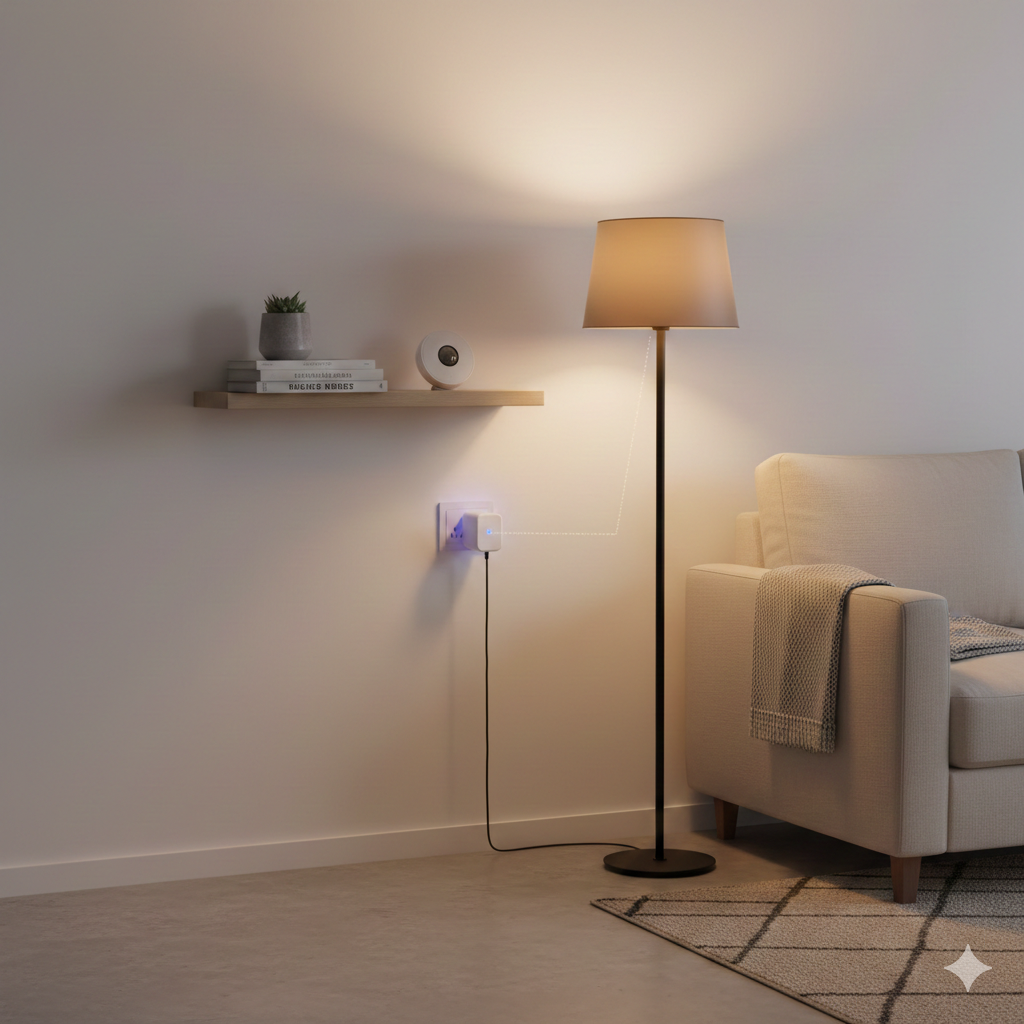
✍️ Author Insight - Andrew
Looking back, I wish I’d known how much placement matters with smart devices in UK homes. At first, I thought buying the right plug or bulb was enough, but thick walls and awkward layouts meant my setup didn’t perform as well as I expected. Once I learned to position extenders and sensors more carefully — away from damp corners and tight spaces — everything worked far more reliably. That simple change taught me that performance isn’t just about the product, it’s about adapting to the quirks of UK houses.
Smart Plugs: Control and Cut Phantom Loads
Smart plugs are one of the easiest ways to start automating your home. They sit between your appliance and the wall socket, giving you control over when devices draw power.
How they save money:
- Many appliances consume electricity even when not in use — known as “phantom loads.” Smart plugs can cut this off automatically.
- You can schedule plugs to turn off overnight or when you’re at work.
- Energy monitoring models show exactly how much power each device uses, helping you spot wasteful appliances.
Practical examples:
- Switch off the kettle or coffee machine after use.
- Cut power to TVs and consoles overnight.
- Schedule heaters or dehumidifiers to run only when needed.
Smart plugs are especially useful in UK homes where older appliances may not have built-in timers or energy-saving modes.
Smart Sensors: Automating Based on Activity
Sensors are the brains of automation. They detect motion, temperature, humidity, or whether a door or window is open, and trigger actions accordingly.
Types of sensors:
- Motion sensors: Turn lights on when someone enters a room, then off when it’s empty.
- Door/window sensors: Improve security and reduce heating waste by alerting you when doors are left open.
- Temperature/humidity sensors: Help regulate heating and ventilation, ensuring comfort without overspending.
How they save money:
- Lights don’t stay on in empty rooms.
- Heating systems adjust based on real-time conditions.
- Appliances only run when needed, reducing unnecessary consumption.
In UK homes with multiple occupants, sensors prevent the classic problem of lights or heaters being left on all day.
Smart Bulbs: Efficient Lighting With Control
Lighting accounts for a significant portion of household electricity use. Smart bulbs replace traditional bulbs with energy-efficient LED technology and add automation features.
Features:
- Scheduling: Lights turn on and off automatically at set times.
- Dimming: Adjust brightness to reduce energy use.
- Colour options: Create ambience while still saving energy.
- Voice control: Works with Alexa, Google Assistant, or Apple HomeKit.
Savings potential:
- LEDs already use less energy than halogen or incandescent bulbs.
- Dimming reduces consumption further.
- Scheduling ensures lights aren’t left on unnecessarily.
Smart bulbs are particularly useful in UK households with children or shared living spaces, where lights are often left on accidentally.
Why the Combo Works Best
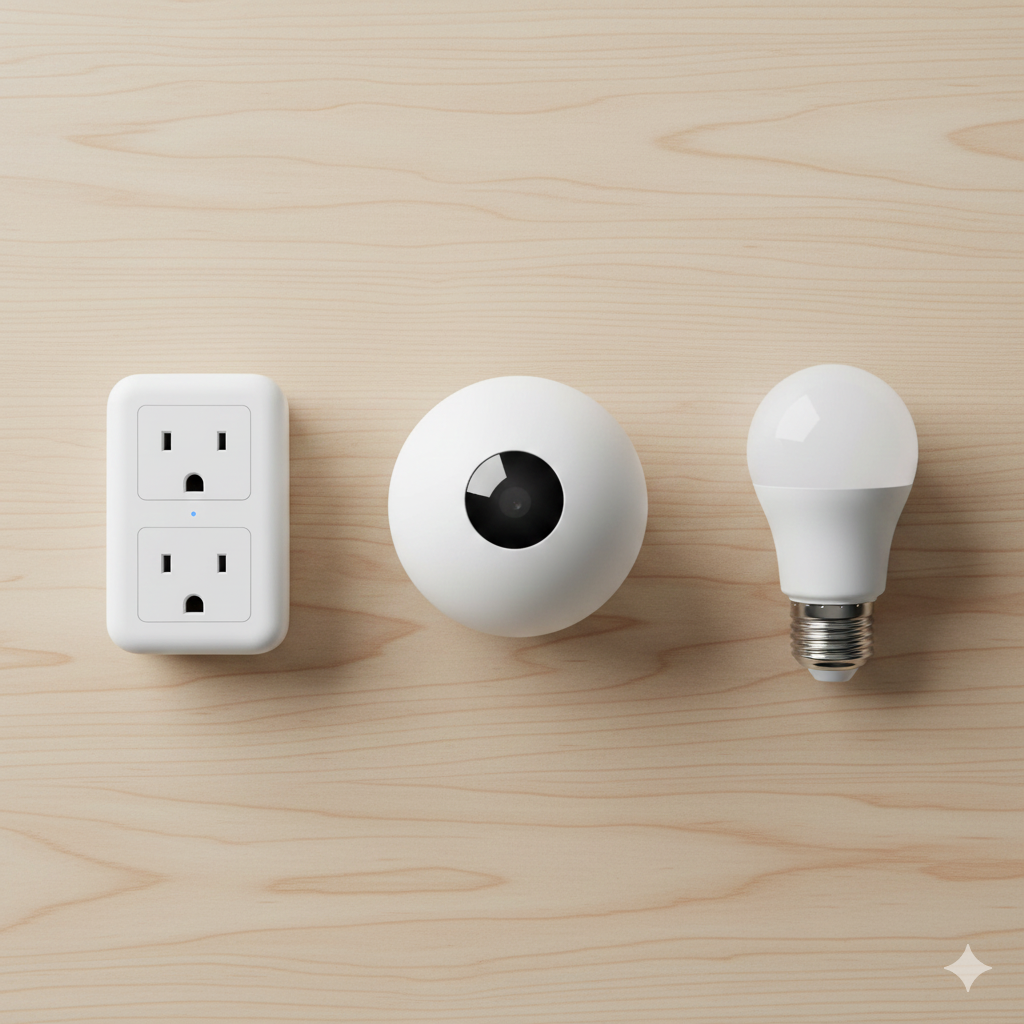
Individually, smart plugs, sensors, and bulbs save money. Together, they create a powerful automation system:
- Sensors + Bulbs: Motion sensors trigger bulbs, ensuring lights only run when needed.
- Sensors + Plugs: Appliances switch off automatically when no one is around.
- Plugs + Bulbs: Both can be scheduled together for maximum efficiency.
This synergy means you don’t have to constantly think about saving energy — the system does it for you.
Real-Life Scenarios
Scenario 1: The Busy Family Home Children often leave lights and devices running. Motion sensors paired with smart bulbs ensure lights switch off automatically, while smart plugs cut power to consoles and TVs overnight.
Scenario 2: The Garden Office A heater and lamp in a garden office can be controlled by smart plugs and bulbs, scheduled to run only during working hours. Sensors add extra efficiency by detecting occupancy.
Scenario 3: The Energy-Conscious Couple Smart plugs monitor appliance usage, revealing which devices consume the most power. Smart bulbs reduce lighting costs, while sensors keep heating efficient.
Pros and Cons of Each Device
| Device | Pros | Cons |
|---|---|---|
| Smart Plugs | Affordable, easy to install, energy monitoring | Limited to appliances plugged into them |
| Smart Sensors | Automates actions, improves security, saves energy | Requires setup and sometimes a hub |
| Smart Bulbs | Energy-efficient, dimmable, colour options | More expensive than standard LED bulbs |
Best Smart Plugs, Sensors, and Bulbs (Amazon UK)
When it comes to building a smart home setup, choosing the right devices can make all the difference. Below are some of the most reliable options available in the UK, with a breakdown of what each offers, their strengths, and a few things to keep in mind before buying.
🔌 Smart Plugs
Philips Hue Smart Plug A premium option that integrates seamlessly with the Hue ecosystem. It’s compact, reliable, and works with Alexa, Google Assistant, and Apple HomeKit.
- Pros: Excellent compatibility, trusted brand, discreet design.
- Cons: Higher price compared to budget plugs.
- Best for: Households already using Philips Hue products or wanting top-tier reliability.
EIGHTREE Smart Plug with Energy Monitoring Affordable and practical, this plug offers energy monitoring so you can see exactly how much power each device uses. Great for spotting phantom loads.
- Pros: Budget-friendly, energy monitoring, easy app control.
- Cons: Build quality isn’t as premium as bigger brands.
- Best for: Families looking to save money and track usage without spending much.
TP-Link Tapo P110 Smart Plug One of the most popular choices in the UK. It combines reliability with energy monitoring and integrates smoothly with Alexa and Google Assistant.
- Pros: Strong brand reputation, energy monitoring, easy scheduling.
- Cons: Slightly bulkier design.
- Best for: Everyday use in UK homes where reliability and monitoring are key.
Meross Smart Plug with Energy Monitoring A solid mid-range option that works with Alexa, Google, and SmartThings. Offline control is a bonus if your Wi-Fi drops.
- Pros: Energy monitoring, wide compatibility, offline control.
- Cons: App interface can feel less polished.
- Best for: Households wanting flexibility and resilience in case of Wi-Fi issues.
ANTELA Smart Plug (4-Pack) Great value for money, especially if you want to automate multiple rooms at once. Each plug includes energy monitoring and app control.
- Pros: Affordable multipack, energy monitoring, easy setup.
- Cons: Not as durable as premium brands.
- Best for: Larger households or anyone wanting to cover multiple devices quickly.
📡 Smart Sensors
Tuya ZigBee Door/Window Sensor A reliable sensor that integrates with ZigBee hubs. Perfect for monitoring doors and windows, improving both security and energy efficiency.
- Pros: Accurate detection, works well with ZigBee ecosystems.
- Cons: Requires a ZigBee hub, not standalone.
- Best for: Smart home users already running ZigBee devices.
WiFi Motion Sensor (2-Pack) Simple and effective, these sensors detect movement and can trigger lights or plugs. Ideal for hallways, bathrooms, or kids’ rooms.
- Pros: Affordable, works with Alexa, easy automation.
- Cons: Wi-Fi dependent, occasional lag.
- Best for: Quick automation setups without needing a hub.
Smart Light Sensor (WiFi/ZigBee) Measures ambient brightness and adjusts lighting accordingly. Great for saving energy by dimming or switching off lights when natural daylight is sufficient.
- Pros: Energy-saving, versatile, works with multiple ecosystems.
- Cons: Setup can be fiddly, requires careful placement.
- Best for: UK homes with large windows or varying light conditions.
💡 Smart Bulbs
Philips Hue Smart Bulb B22 A market leader in smart lighting. Offers dimming, scheduling, and voice control, with excellent reliability.
- Pros: Wide compatibility, strong ecosystem, high-quality light.
- Cons: Premium price.
- Best for: Anyone wanting a dependable, long-term smart lighting solution.
Sengled Smart Bulb E27 Budget-friendly but effective, these bulbs connect via Bluetooth and work with Alexa. Great for smaller setups.
- Pros: Affordable, easy setup, energy-efficient.
- Cons: Limited features compared to Hue.
- Best for: Beginners or those wanting a simple smart bulb without extra costs.
Hive Smart Light Bulb E27 Integrates with Hive Hub, offering dimming and scheduling. Works well for households already using Hive heating or security.
- Pros: Seamless Hive integration, reliable performance.
- Cons: Requires Hive Hub, less flexible outside Hive ecosystem.
- Best for: Existing Hive users who want to expand their smart home.
Wiz Smart Colour Bulb E27 Offers millions of colours and advanced features like motion detection via SpaceSense. Great for creating ambience.
- Pros: Affordable, colourful lighting options, advanced features.
- Cons: App can feel less intuitive.
- Best for: Creative households wanting mood lighting and automation.
Philips Hue Filament Smart Bulb E27 Stylish vintage design with smart dimming. Perfect for decorative fixtures while still saving energy.
- Pros: Attractive design, dimmable, voice control ready.
- Cons: Higher cost for aesthetics.
- Best for: UK homes wanting a mix of style and smart functionality.
Helping You Decide
- If you want top reliability and integration, Philips Hue plugs and bulbs are the safest bet.
- For budget-conscious households, EIGHTREE plugs and Sengled bulbs offer great value.
- If you’re already invested in Hive or ZigBee ecosystems, stick with Hive bulbs or Tuya sensors.
- For multi-room setups, ANTELA’s 4-pack plugs and Wiz colour bulbs give maximum coverage at a lower cost.
By weighing your household size, existing smart devices, and budget, you can choose the extender, sensor, or bulb that fits your needs best — and finally enjoy a smart home setup that saves money while working seamlessly.
Benefits of Smart Home Automation
Optimising your home with smart plugs, sensors, and bulbs doesn’t just save money — it also improves daily life. Stronger automation means fewer wasted hours worrying about devices left on, smoother routines, and better control over energy use. For households working from home or relying on smart heating and security, the right automation combo can make a noticeable difference.
🔗 Next Reads — 📡 Smarter Home Upgrades
If you’re exploring smart plugs, sensors, and bulbs to save energy, it makes sense to look at the bigger picture of household efficiency. Our guide on smart energy monitors vs traditional meters helps you understand which option gives the most accurate view of your electricity use, while the article on Wi-Fi range extenders that actually improve smart home reliability shows how to keep every device connected without dropouts. Together, these reads build on what you’ve learned here, helping you cut costs and keep your smart home running smoothly.
- Smart Energy Monitors vs Traditional Meters — What’s Really More Accurate?
- Wi-Fi Range Extenders That Actually Improve Smart Home Reliability (UK Guide)
Conclusion: Building Your Automation Combo
Smart plugs, sensors, and bulbs each offer savings on their own, but when combined they create a seamless system that cuts waste automatically. For UK households facing high energy costs, this combo is one of the most practical ways to reduce bills while enjoying modern convenience.
If you’re starting out, the TP-Link Tapo P110 Smart Plug is a great first step thanks to its energy monitoring and reliability. Pair it with a WiFi Motion Sensor and a Philips Hue Smart Bulb B22, and you’ll have a simple but powerful automation combo that saves money, improves comfort, and keeps your smart home running efficiently.
Final Thought: Smart home automation isn’t about gadgets for the sake of it — it’s about creating a home that works smarter, saves energy, and makes everyday life easier.
Learn how to monitor and control electricity use in every room with the Smart Energy Monitors & Plugs Hub from smart plugs to power meters and automation tips that lower your bills.
For official, trusted UK advice on reducing energy use, the Energy Saving Trust has clear, practical guidance on saving electricity at home.
https://energysavingtrust.org.uk

About The Author – Andrew Marshall
Andrew Marshall is a Scottish homeowner and the creator of Save Wise Living. He shares practical ways to reduce energy bills, improve home efficiency, and make everyday household routines cheaper and simpler.