
This guide is for UK homeowners and renters who want a clear, practical understanding of smart home heating before making any changes. It explains how smart heating systems work in real UK homes — including properties with combi boilers, radiators, flats, and older houses — without assuming technical knowledge. The aim is to help you understand what “smart heating” actually means, how it fits into typical UK heating setups, and whether it’s relevant to how you live.
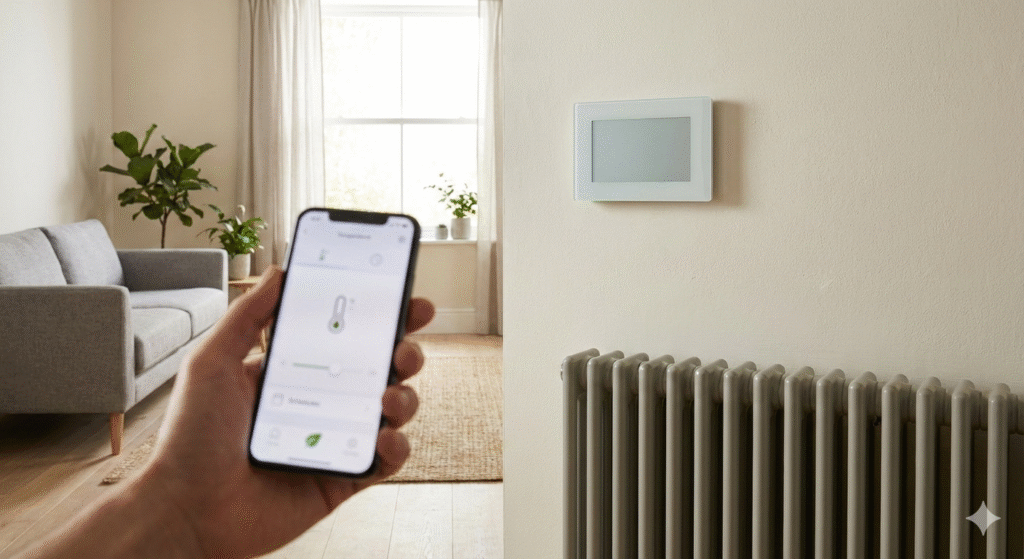
🔧 What Is a Smart Home Heating System?
A smart home heating system lets you control your heating remotely — via smartphone, tablet, or voice assistant — and often includes intelligent features like scheduling, room-by-room control, and energy-saving automation. Unlike traditional thermostats, smart systems learn your habits, adjust to weather changes, and help you heat only the rooms you need.
At its core, a smart heating setup typically includes:
- Smart thermostat (e.g. Hive, Tado, Nest)
- Smart radiator valves (TRVs) for zoned heating
- Mobile app or voice control
- Optional extras like humidity sensors, occupancy detection, or integration with other smart devices
🏠 Why Upgrade to Smart Heating?
Smart heating systems are one of the easiest ways to reduce energy waste and improve comfort. In 2025, with UK energy bills still high, even basic upgrades can make a noticeable difference.
Benefits include:
- Remote control: Adjust heating from anywhere
- Zoned heating: Heat only the rooms you use
- Learning algorithms: Some systems adapt to your schedule
- Energy savings: Studies show 8–16% savings on average
- Integration: Works with Alexa, Google Home, and other smart tech
🧩 What Are the Main Components?
Here’s a breakdown of what makes up a smart heating system:
| Component | Function | Example Brands |
|---|---|---|
| Smart Thermostat | Controls boiler and central heating | Hive, Nest, Tado, Wiser |
| Smart TRVs | Adjust radiator heat per room | Wiser, Tado, Eve Thermo |
| Hub or Gateway | Connects devices to Wi-Fi | Included with most kits |
| App or Voice Control | Lets you manage settings remotely | iOS/Android apps, Alexa, Google Assistant |
| Sensors (optional) | Detect occupancy, humidity, or open windows | Netatmo, Aqara, Bosch |
🛠️ Installation: DIY or Professional?
Many smart thermostats are designed for DIY installation, especially if you’re replacing an existing wired thermostat. However, if you’re adding smart TRVs or upgrading from a non-programmable system, you may want a professional install — especially for multi-zone setups.
DIY-friendly systems: Hive, Tado, Wiser Professional install recommended: Nest (requires Heat Link), multi-zone TRV setups
💷 How Much Does It Cost?
Smart heating systems vary widely in price depending on how advanced you go:
- Basic smart thermostat: £80–£150
- Full system with TRVs: £250–£500+
- Add-ons (sensors, hubs): £20–£100 each
You don’t need to upgrade everything at once. Many UK homeowners start with a smart thermostat, then add radiator valves over time.
🧠 How Smart Is “Smart”?
Some systems offer simple scheduling and remote control. Others use machine learning to adapt to your lifestyle, weather patterns, and occupancy. For example:
- Nest learns your habits and adjusts automatically
- Tado uses geofencing to turn heating off when you leave
- Wiser offers room-by-room scheduling with smart TRVs
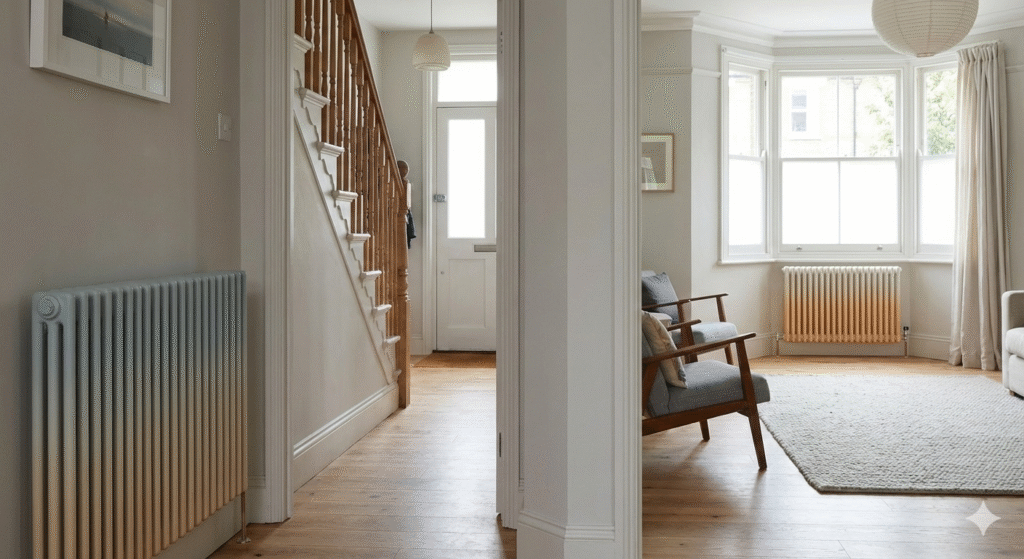
For example, in a typical UK semi-detached home with a combi boiler and radiators upstairs and down, smart heating might mean keeping bedrooms cooler during the day while the living room is heated in the evening. In a flat, it may simply involve tighter scheduling so heating isn’t running when the property is empty. In older terraced homes, smarter control can help avoid overheating rooms that warm up quickly while others lag behind.
🔥 More Smart Heating Ideas
Looking to warm up smaller rooms or speed up slow radiators? You might find our guide to Radiator Fans – Do They Really Work? helpful — it explains how these clever boosters improve heat circulation and cut waste. Or explore Best Smart Heaters for Small Rooms (Low-Wattage Options UK) for compact, energy-saving picks that won’t spike your bills.
✅ Is It Right for You?
Smart heating is ideal for:
- Busy households that want flexible control
- Renters (some systems are portable and non-invasive)
- Tech-savvy users who already use smart home gear
- Anyone trying to cut heating bills without sacrificing comfort
Even if you’re not ready for full automation, starting with a smart thermostat can make a big difference.
Author Insight – Andrew
Many people approach smart heating assuming it’s a single upgrade or a complete system swap, when in reality most UK households adopt it in stages. The biggest improvements often come from understanding how your home actually uses heat day to day — which rooms warm quickly, which stay cold, and when heating is genuinely needed. Once that’s clear, smart controls tend to feel less like technology and more like a practical extension of how you already live.
Final Thought: Start Smart, Save More
Smart home heating isn’t just about gadgets — it’s about control, comfort, and cutting waste. Whether you’re upgrading a single thermostat or building a full multi-zone system, the benefits are clear: lower bills, better warmth, and smarter living.
Stay warm for less this winter with the full Smart Heating & Home Warmth Hub explore smart thermostats, radiator valves, and insulation tricks that help cut UK energy bills fast.
Worth reading if you’re planning a smarter heating setup:
If you’re new to smart heating, these guides break down the main options — from simple upgrades to more advanced systems — so you can build a setup that fits your home and budget:
- Smart radiator valves vs standard thermostats explained
- Smart plug-in thermostats that genuinely cut heating costs
- Affordable smart heating devices under £100 that actually save money
- Solar PV and heating combinations UK homeowners can buy today
The Energy Saving Trust explains how heating controls like thermostats, timers, and zoning can reduce wasted heat and improve efficiency in UK homes, particularly those using gas boilers and radiators.

About The Author – Andrew Marshall
Andrew Marshall is a Scottish homeowner and the creator of Save Wise Living. He shares practical ways to reduce energy bills, improve home efficiency, and make everyday household routines cheaper and simpler.