
Practical, Affordable Solutions That Actually Work
If your windows are dripping with condensation every morning, you’re not alone. As soon as the cold hits, UK homes start battling steamed-up glass, damp sills, and that unmistakable chill that creeps in no matter how high the thermostat goes.
But here’s the good news: you don’t need to live with it — or spend a fortune fixing it. These smart, affordable solutions are designed to stop condensation on windows, reduce moisture, and keep your home feeling dry and warm all winter long.
🧠 What Causes Condensation — And Why It Gets Worse in Winter
Condensation happens when warm, moist air hits a cold surface — like your window glass. In winter, we close windows, dry laundry indoors, and run hot showers, all of which add moisture to the air. Without proper ventilation or insulation, that moisture settles on the coldest surfaces — usually your windows.
Over time, this leads to:
- Damp patches and mould growth
- Peeling paint or damaged window frames
- A colder-feeling room, even with the heating on
Understanding the cause helps you layer the right solutions — from moisture control to insulation and airflow.
Improving insulation can help stabilise surface temperatures and reduce the conditions that allow condensation to form in the first place.
Author Insight – Andrew
I realised one of the biggest culprits for window condensation in my place was actually where I dried clothes. I used to stick the rack right up against the window, thinking it would help the laundry dry faster — but all it did was steam up the glass and leave puddles on the sill. Moving it further into the room and running a small dehumidifier nearby made a huge difference. If you only do one thing, don’t dry laundry against cold windows — it’s such a simple tweak, but it saves you waking up to dripping panes every morning.
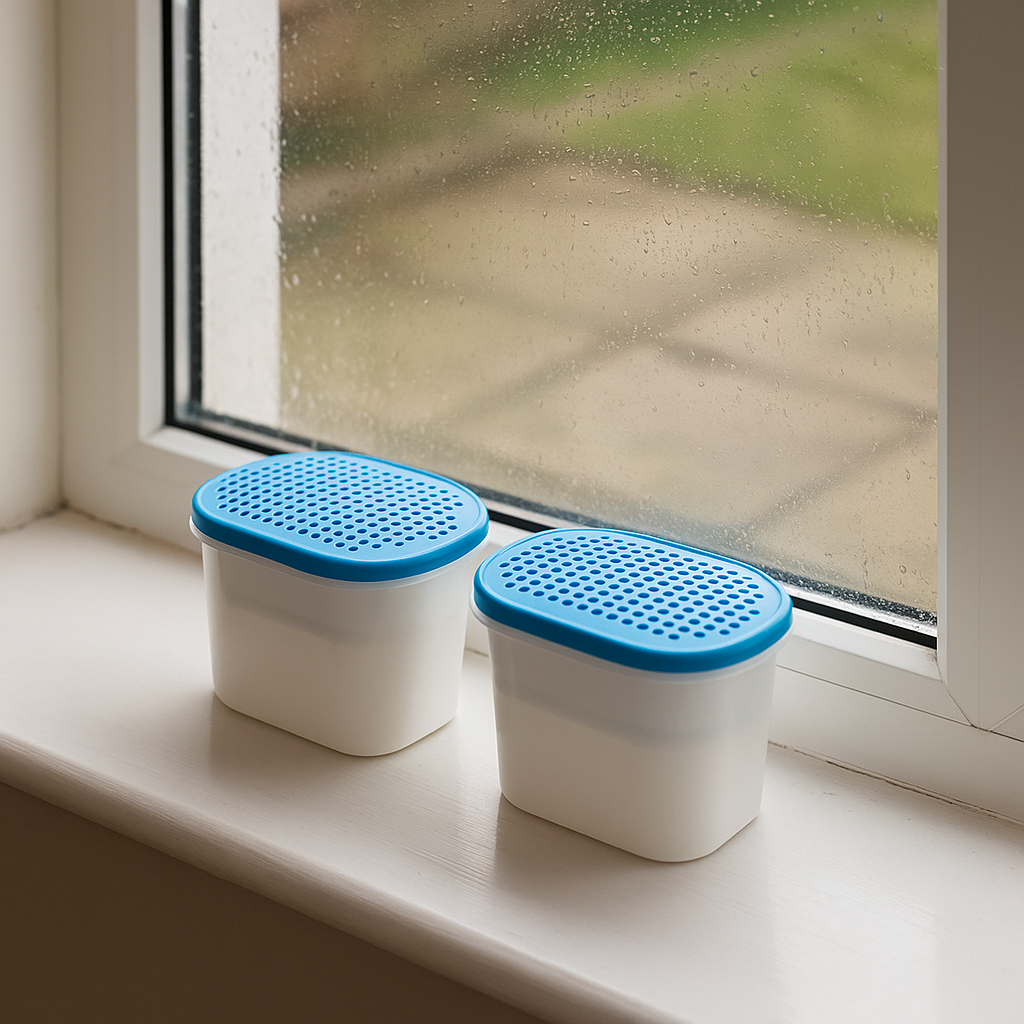
1. Use Moisture Absorber Pots
These little pots are surprisingly effective. Just pop one on your window sill and let it quietly absorb excess moisture from the air. No plugs, no noise, no fuss.
- ✅ Great for bedrooms, wardrobes, and rented flats
- 💷 Under £10 for a multi-pack
- 🔁 Lasts for weeks before needing a refill
Amazon pick: ANSIO Dehumidifier 500ml Pack of 6
💡 Tip: Place one near each problem window — especially in rooms you keep closed overnight.
2. Try a Compact Electric Dehumidifier
If you’re dealing with serious condensation, a plug-in dehumidifier is your best bet. It pulls moisture from the air and helps prevent mould, damp, and that clammy feeling in the mornings.
- ✅ Ideal for bedrooms, living rooms, and home offices
- 🔇 Quiet and energy-efficient
- 💷 Affordable and portable
Amazon pick: Pro Breeze Dehumidifier with Auto Shut-Off – compact, powerful, and perfect for winter use.
💡 Bonus: Use it for a few hours in the morning and evening — you’ll notice the difference fast.
3. Install a UniBond AERO 360 Moisture Absorber
Stylish, refillable, and surprisingly powerful, this absorber is perfect for medium-sized rooms. It works silently and doesn’t need electricity.
- ✅ Great for kitchens, lounges, and conservatories
- 🔁 Refillable tabs last up to 3 months
- 💷 Sleek design fits any decor
Amazon pick: UniBond AERO 360º Moisture Absorber
💡 Tip: Keep one near your boiler or laundry area to tackle hidden moisture.
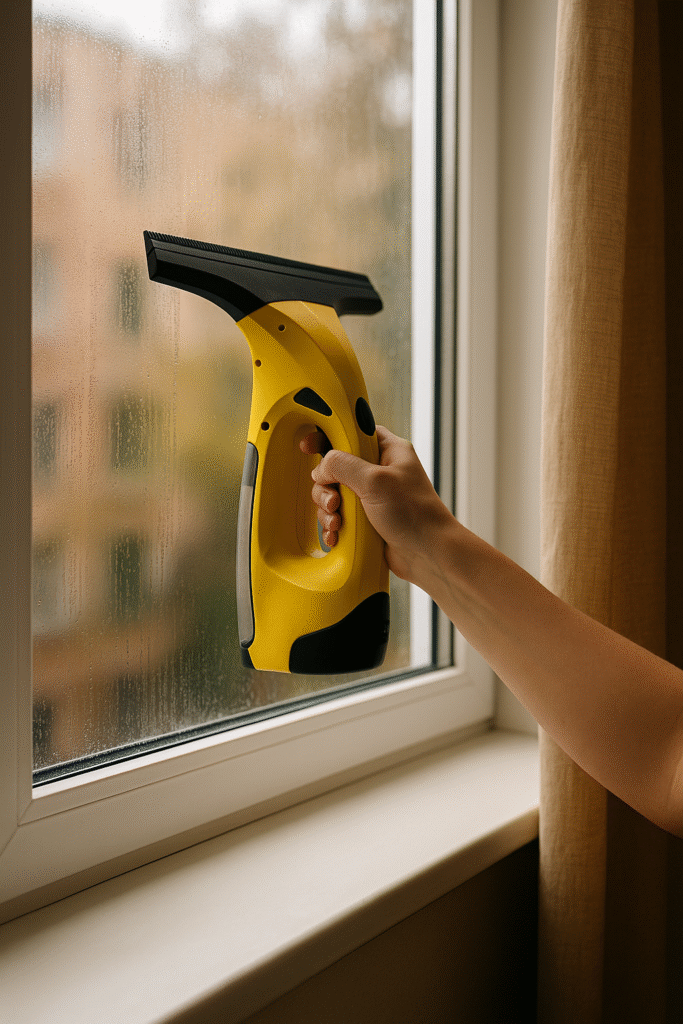
4. Use a Window Vacuum for Daily Wipe-Downs
If your windows are soaked every morning, a quick vacuum pass can remove moisture before it causes problems. It’s fast, satisfying, and keeps your frames dry.
- ✅ Ideal for bathrooms and kitchens
- 🔋 Rechargeable and easy to use
- 💷 Long-lasting and multi-purpose
Amazon pick: Kärcher Window Vac WV 2 Plus
💡 Bonus: Use it on mirrors, tiles, and shower screens too.
5. Hang Thermal Curtains or Blinds
Condensation often forms because the glass gets too cold. Thermal curtains help keep the window area warmer, reducing moisture buildup and saving energy.
- ✅ Perfect for bedrooms and living rooms
- 🧵 Adds insulation and style
- 💷 Budget-friendly upgrade
Amazon pick: Deconovo Thermal Blackout Curtains
💡 Layering tip: Combine with blinds or film for even better results.
6. Monitor Humidity with a Digital Hygrometer
Condensation often creeps in when indoor humidity rises above 60%. A hygrometer helps you track moisture levels in real time, so you can act before your windows fog up.
✅ Ideal for bedrooms, bathrooms, and kitchens 📊 Shows temperature and humidity at a glance 💷 Compact, accurate, and under £10
Amazon pick: ThermoPro TP49 Digital Hygrometer – easy to read, highly rated, and perfect for winter monitoring.
💡 Smart tip: Use it to test which rooms need moisture control — and when to run your dehumidifier.
🧰 Quick Wins to Reduce Moisture Indoors
Alongside the products above, here are a few daily habits that help:
- Open windows for 10 minutes each morning to release trapped moisture
- Keep lids on pans while cooking to reduce steam
- Dry clothes in well-ventilated areas or use a dehumidifier nearby
- Leave bathroom doors open after showers to let moisture escape
- Avoid blocking radiators with furniture or curtains
These small changes, combined with the right tools, can dramatically reduce condensation and keep your home warmer and healthier.
🔗 Want Even More Ways to Stay Warm?
Once you’ve tackled condensation and sealed up heat loss, the next step is choosing the right heating. Our Top 5 Portable Electric Heaters for Energy Efficiency UK 2025 highlights plug-in options that warm up rooms fast without draining your wallet. And if you haven’t already sealed your windows, don’t miss our guide on Stop Losing Heat Through Your Windows – 5 DIY Fixes That Actually Work — it’s packed with simple upgrades that make a big difference in winter.
❓ Suggested FAQ Block
Q: What’s the best way to fix window condensation in UK homes? A: Moisture absorbers, dehumidifiers, and thermal curtains are effective and affordable solutions.
Q: Can I stop condensation without replacing my windows? A: Yes — smart fixes like absorber pots, seal strips, and hygrometers work well in rented or older homes.
Q: Why does condensation get worse in winter? A: Cold glass, poor ventilation, and indoor moisture from cooking, laundry, and showers all contribute.

🧠 Final Thoughts: Stay Dry, Warm & Mould-Free This Winter
Condensation isn’t just annoying — it’s a sign your home is holding too much moisture. Left unchecked, it can lead to mould, damp patches, and wasted heating. But with a few smart tweaks, you can fix it fast.
Here’s what we recommend:
- Start with passive fixes like moisture absorber pots and thermal curtains — they’re low-cost and renter-friendly.
- Add active control with a compact dehumidifier or UniBond absorber for rooms with persistent moisture.
- Use a hygrometer to track humidity and know when to act.
- Vacuum condensation daily if needed — it’s quick and keeps your frames dry.
- Layer your solutions for best results: curtains + absorber + seal strips = warm, dry windows.
Whether you’re in a draughty flat or a well-insulated home, these fixes help you stay warm without cranking the thermostat — and protect your space from winter damp.
Explore more in our Smart Heating & Home Warmth Hub, where we cover radiator hacks, insulation tricks, and energy-saving gadgets that make a real difference.
For government-backed guidance on home energy efficiency, heating, and insulation, the GOV.UK energy section shares reliable, up-to-date information.
https://www.gov.uk/browse/housing-local-services/household-energy
Written by Andy M. — simplifying energy savings and smart home tips for real UK households.
You may also find these helpful when tackling damp and heat loss:
Condensation is often linked to poor ventilation and heat escape — these guides help you deal with both issues together:
- DIY fixes that stop heat loss through windows
- Energy-saving dehumidifiers for cold and damp UK homes
- Thermal curtains that reduce cold spots around windows
- Practical home insulation products for quick upgrades

About The Author – Andrew Marshall
Andrew Marshall is a Scottish homeowner and the creator of Save Wise Living. He shares practical ways to reduce energy bills, improve home efficiency, and make everyday household routines cheaper and simpler.